CO2
Discover CO2-controlled ventilation: healthier air, lower energy bills. Installers across Flanders. Request a free quote.
Take the ventilation check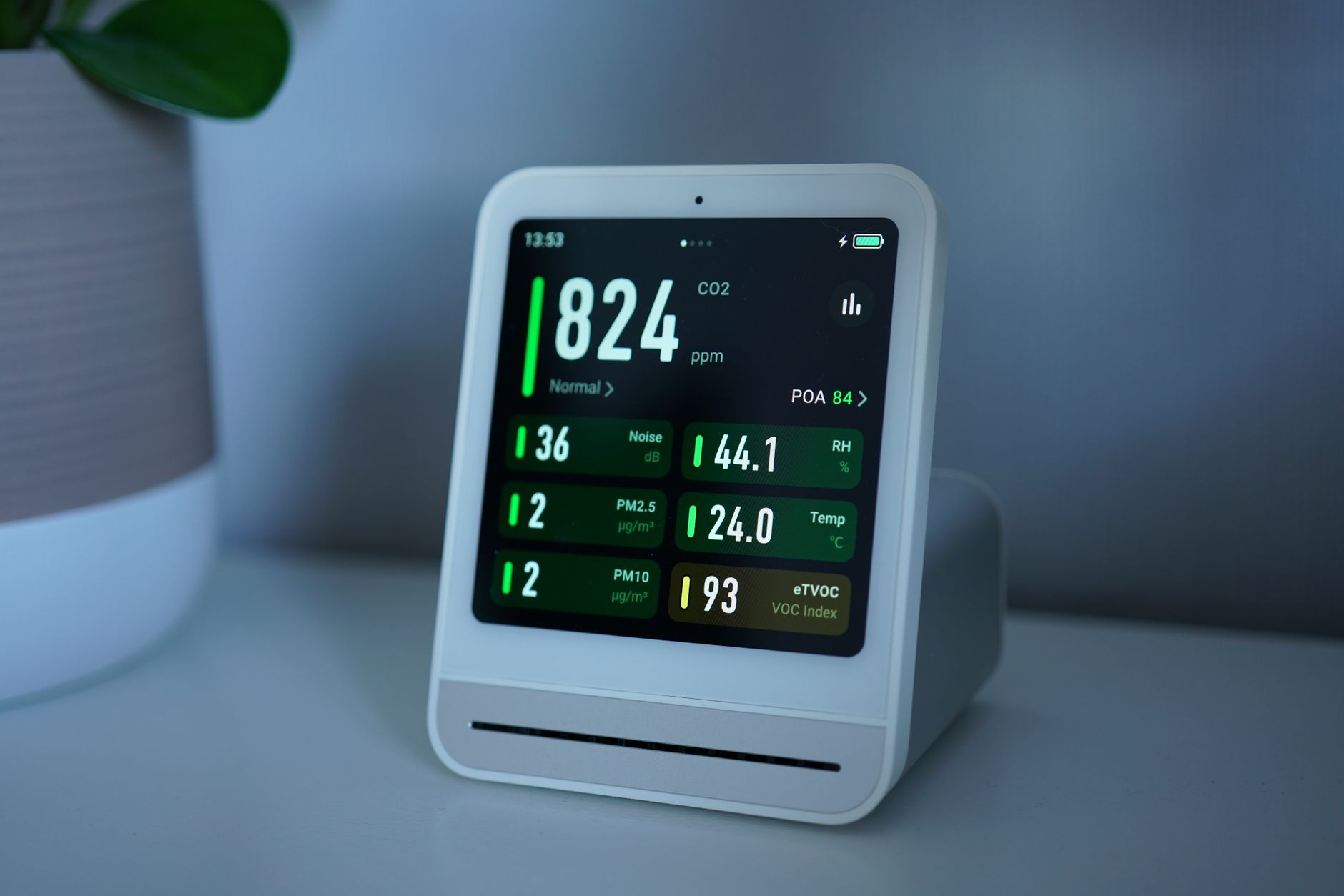
CO2
Discover CO2-controlled ventilation: healthier air, lower energy bills. Installers across Flanders. Request a free quote.
Take the ventilation checkSmell the difference: no more stuffy air, but pure breath in every room. Our smart CO2-controlled system ventilates only when needed, which feels fresher and saves energy.
CO2-controlled ventilation is a smart system that measures how much carbon dioxide (CO2) is present in a room. As soon as the value rises too high, for example due to the number of people, the ventilation automatically starts working. This way, you only supply fresh air when needed, without wasting energy on excessive ventilation.
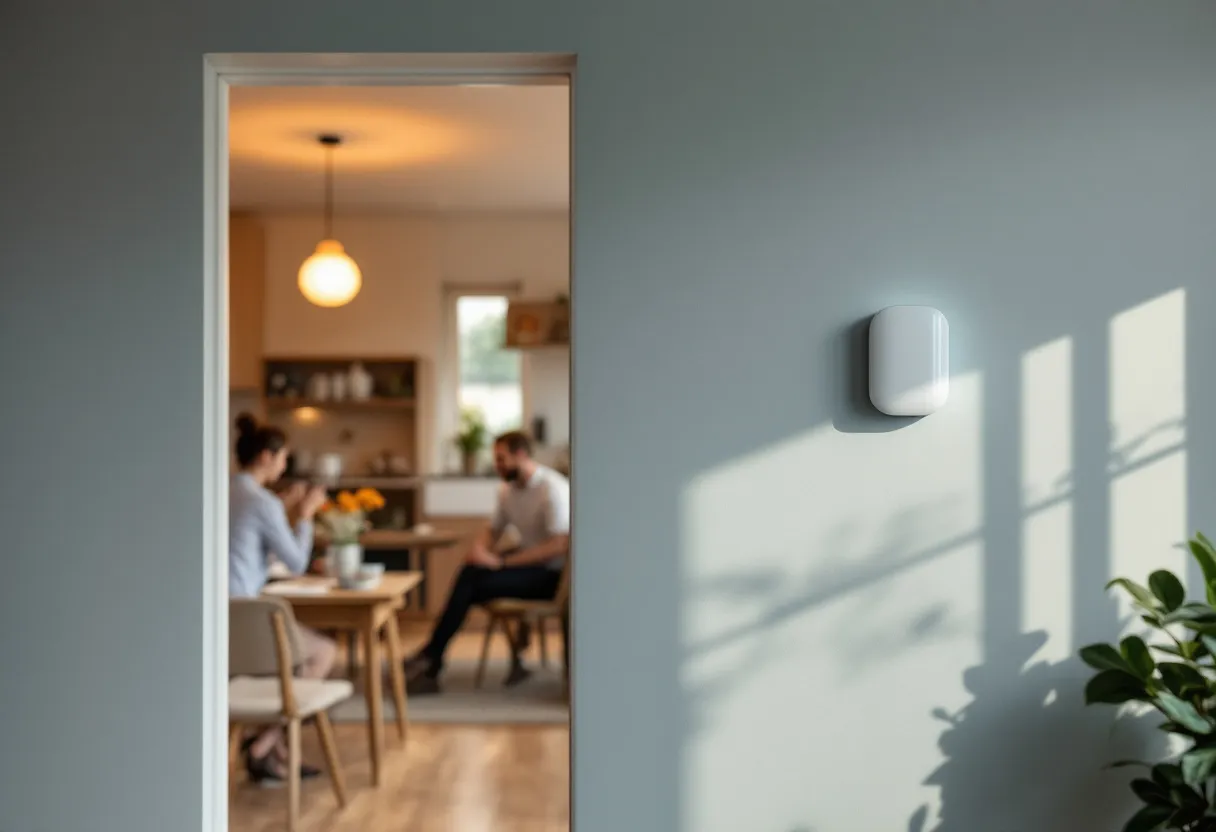
In each room to be ventilated, a small sensor is hung that continuously measures the CO2 concentration in the air. That sensor sends a signal to the ventilation motor. At a low CO2 level, the system runs at a minimal speed. As CO2 rises, the motor increases its speed. A typical set point is 800 to 1000 ppm (parts per million); above that, the real ventilation need begins. This way, you always have an optimal indoor climate, exactly at the right moment.
The sensors are extremely accurate and have no maintenance-intensive parts. They are nowadays often integrated into the ventilation unit itself (with central ventilation) or placed as a separate room sensor (with decentral ventilation). Well-known brands such as Duco offer systems that run entirely on this technology.
Not every home or business requires the same approach. That is why there are two main types: central and decentral CO2-controlled ventilation.
With a central system, the air for the whole home or building is controlled by one central unit. That unit extracts the polluted air from wet rooms (kitchen, bathroom, toilet) and supplies fresh air via ducts to living areas (living room, bedrooms). One or more CO2 sensors control the motor. This type is ideal for new construction or thorough renovations where you can conceal the ducts. It requires a larger investment, but offers even air distribution and the highest energy efficiency.
Here, you place a separate ventilation unit with built-in CO2 sensor per room. Each unit works independently. This system is perfect for renovations: you don't need to provide invasive ductwork and installation is simpler. Ideal for older homes in Flanders where limiting demolition is a plus. Think of the popular Duco CO2 sensor with control that you easily mount on the wall.
Why are more and more Flemish people choosing this system? We list the six greatest advantages.
The costs vary greatly per situation. For a decentral unit with sensor, you can count on a few hundred euros each. A complete central system for an average home starts around €2,500 to €5,000, including installation. Factors that influence the price: the type of home (new construction or existing), the desired capacity, the brand (such as Duco, Itho Daalderop or Zehnder) and any extras like a heat recovery unit. We are happy to come on site to make a tailored quote. That way, you know exactly what to expect, without surprises.
A good installation is crucial for the operation of CO2-controlled ventilation. Our approach throughout Flanders takes local building styles and regulations into account. We always start with a no-obligation site visit. There, we determine the ideal locations for sensors, the best route for any ducts, and precisely set the system to your living rhythm. The installation itself usually takes one to two days. We work dust-free and ensure a neat finish. After completion, we clearly explain the operation and you receive all documentation.
Even a smart system needs an occasional check. Especially the filters must be cleaned or replaced in time. Depending on the type, this happens one to two times a year. The CO2 sensors are generally maintenance-free, but we recommend having them calibrated every two years. We offer maintenance contracts, so you never have to worry about replacing parts on time. Our technician then visits, checks the entire installation and cleans everything, so you are guaranteed healthy air.
As the only ventilation specialist in Flanders, we combine clear explanations with a local approach. Every home and business breathes differently; that's why we translate complex systems into understandable solutions. Our installers are ready in your region, from Antwerp to Limburg and from East Flanders to West Flanders. We listen to your wishes, think along about the best technology and give honest advice, even if a simpler system suffices.
Curious about how much a CO2-controlled system costs for your home or business? Request your quote now and receive a tailored proposal within 48 hours, completely without obligation.
Our approach
Not every installer understands how a home truly breathes. We do. Discover why we are the right partner for your CO2-controlled ventilation.
No technical jargon, but clear answers to all your questions. That way, you know exactly what to expect.
Our installers know the building style and regulations of your municipality. We come quickly on site for advice.
Tailored quote without hidden costs. We think along with you to find the best solution within your budget.
We guide you from A to Z: initial consultation, installation, setup and maintenance. That way, your home breathes healthily for years.
Frequently asked questions about our services
Request your no-obligation quote now. Our ventilation specialist thinks along with you and proposes a system that truly fits your home.
 Ventilation System D: Clear Explanation and Local Installation in Flanders
 Apartment ventilation: clear advice and local installation
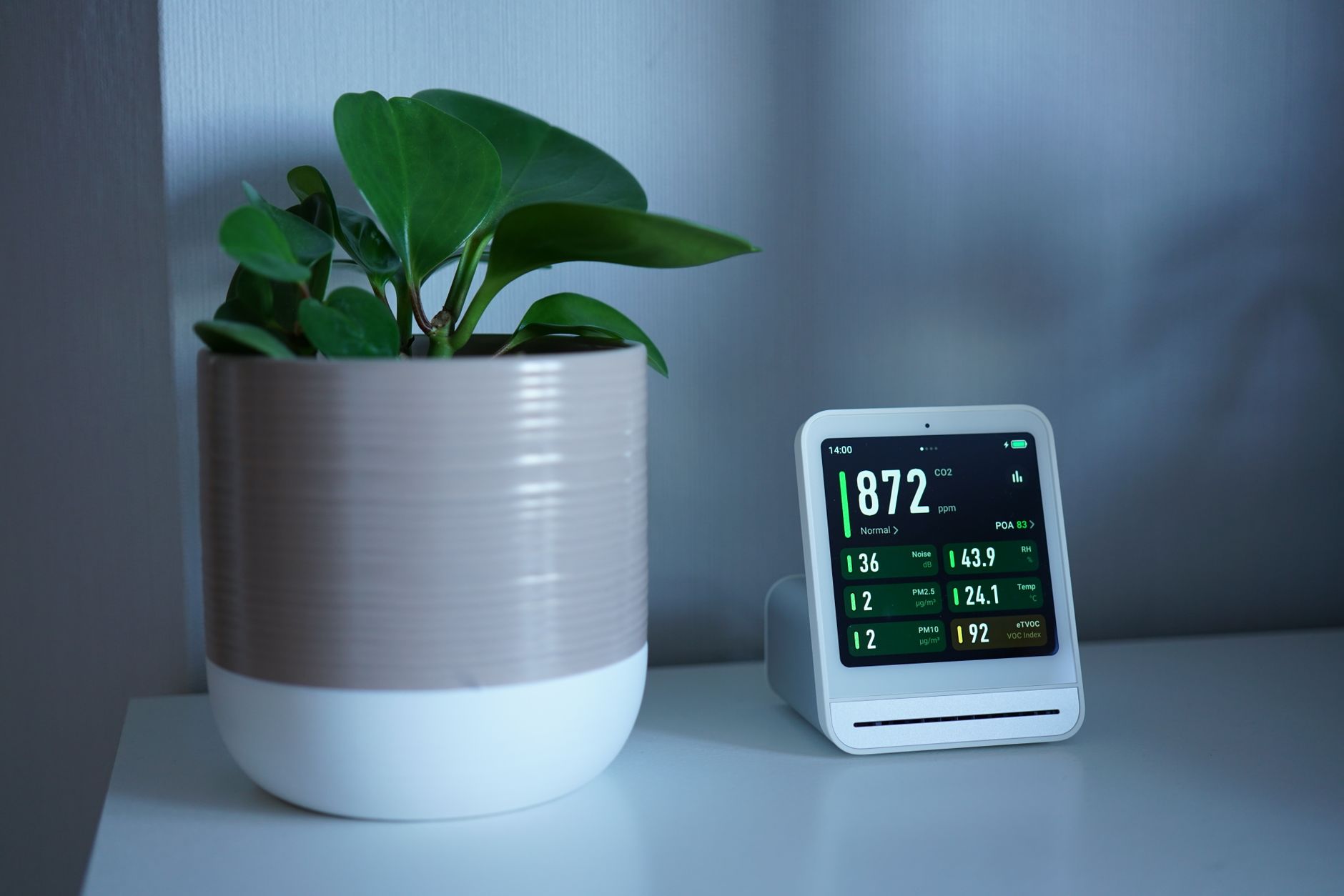 CO2-controlled ventilation: how it works and why it's smart
 Natural ventilation in your home: clear explanation and practical tips
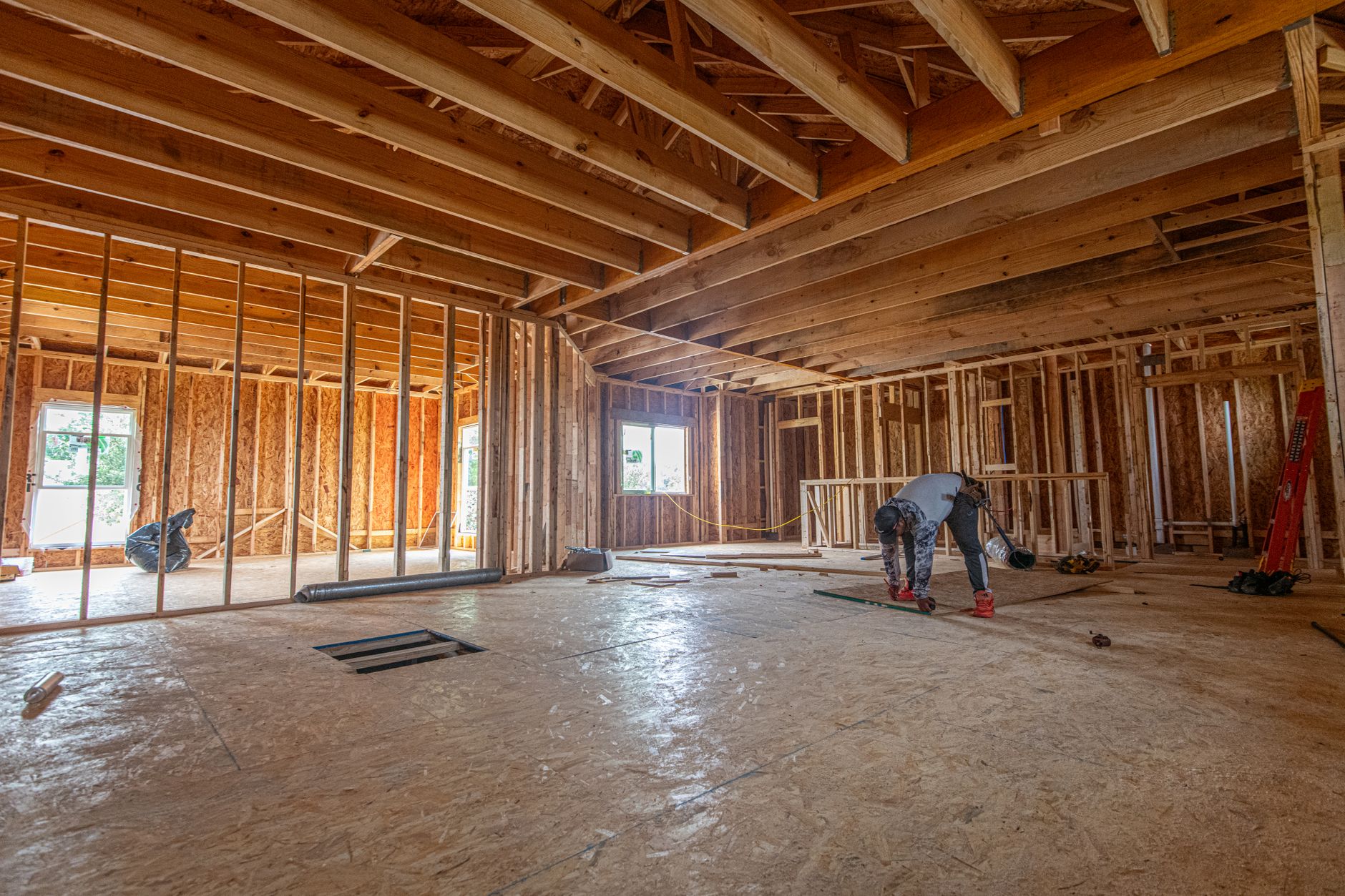 New-build ventilation: clear explanation of systems, requirements and costs
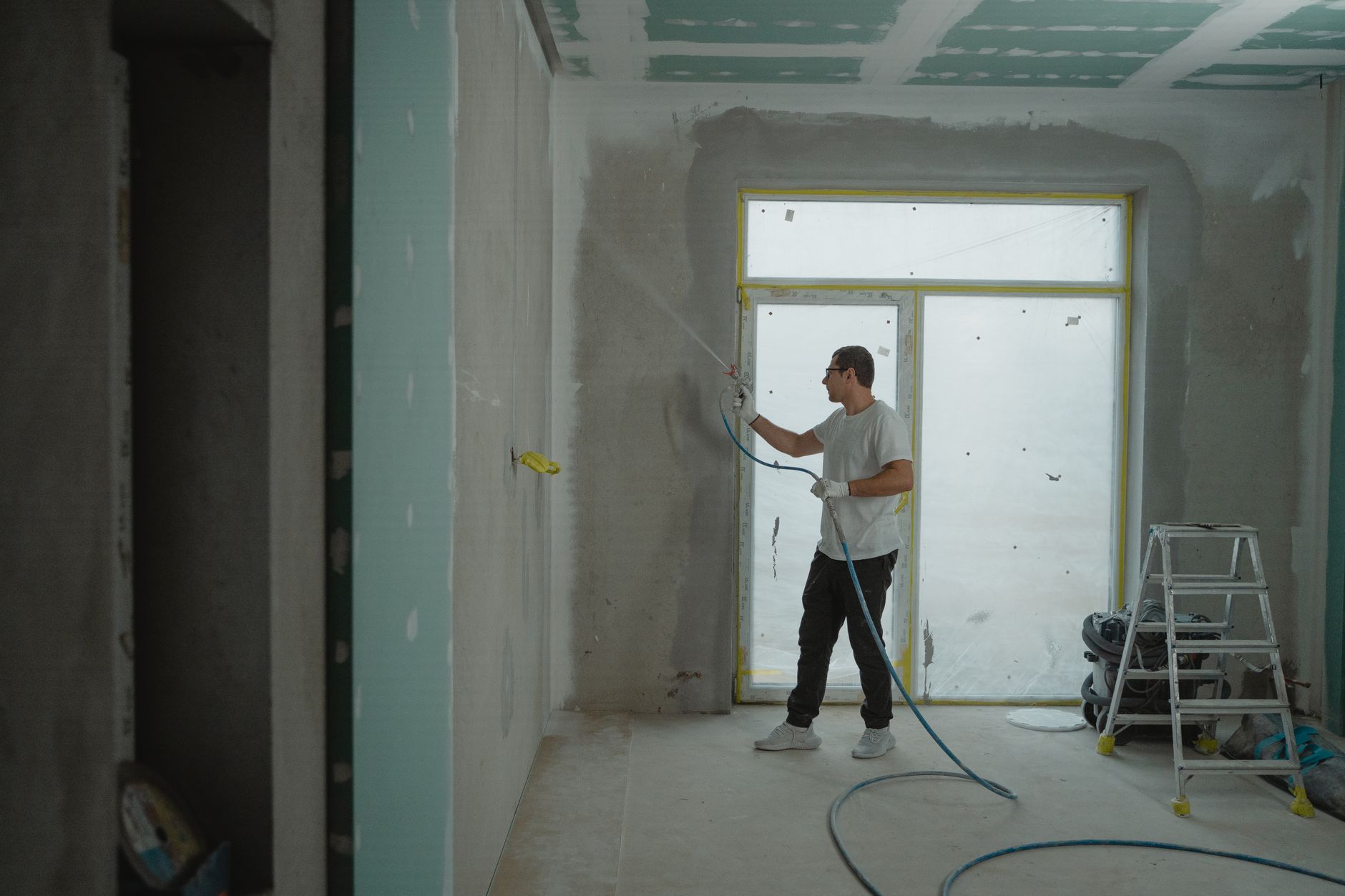 Ventilation during renovation: clear guide & local installation