Natuurlijk
Discover how natural ventilation works in your home, the advantages and disadvantages, and practical tips per room. Local expertise across Flanders. Request your quote.
Take the ventilation check
Natuurlijk
Discover how natural ventilation works in your home, the advantages and disadvantages, and practical tips per room. Local expertise across Flanders. Request your quote.
Take the ventilation checkEvery house breathes differently. Discover how natural ventilation works, what to look out for, and how to make the most of it, with advice tailored to your home in Flanders.
Natural ventilation is the continuous renewal of air in your home via natural air currents through vents, windows, and gaps, without mechanical assistance. It ensures a healthy indoor climate by removing moisture, CO2, and pollutants and bringing in fresh air, and is mandatory in Flanders for new builds and renovations.
With natural ventilation, you use the simple principle that warm air rises and wind pressure over the roof or facade moves air. Fresh air enters through ventilation grilles in windows or walls of dry rooms like the living room and bedrooms. Stale air exits through exhaust ducts in wet rooms like the bathroom, kitchen, and toilet. This process happens 24/7, without you having to do anything. The Flemish building decree sets strict requirements for ventilation, so every home has adequate air exchange.
In existing homes in Flanders, natural ventilation is still the most common form. Often the system has been disrupted over the years due to insulation or renovation work. Our ventilation specialists will inspect your current system for free and check if it still meets requirements.
A natural ventilation system works with two fixed air streams: supply of fresh outside air in dry rooms (living room, bedrooms, office) and exhaust of stale air through wet rooms (bathroom, kitchen, toilet). These streams are driven by natural forces: temperature differences (thermal buoyancy) and wind pressure. Because warm air is lighter than cold air, it rises through vertical ducts to the roof. Wind creates positive pressure on one side of the house and negative pressure on the other, which boosts the airflow.
This system works completely passively, without fans or electricity. The key to a well-functioning natural ventilation is a well-thought-out design with sufficient openings for air supply and exhaust in the right places. In Flanders, the ventilation standard NBN D 50-001 prescribes how much fresh air must enter and be exhausted per room at minimum. That depends on the room size and usage.
In a standard Flemish terraced house, you often see ventilation grilles above windows in the living room and bedrooms, and exhaust ducts in the kitchen, bathroom, and toilet. These ducts terminate on the roof via a wind-driven cowl or via a central exhaust shaft. The gap under interior doors is at least 1.5 cm high, so that air can flow unhindered from the dry to the wet rooms. In new-build homes, system A is often used: fully natural ventilation, but with self-regulating grilles that respond to wind pressure and humidity. Want to know more about ventilation system A?
Traditional ventilation grilles are opened and closed by hand. Self-regulating grilles, on the other hand, automatically adjust the air passage based on wind pressure or humidity. During strong wind, they partially close to prevent drafts and energy loss. When indoor humidity rises, they open further to provide extra ventilation. This makes them particularly suitable for the Flemish climate, with its often changeable weather.
In practice, you see that many homeowners in Flanders have their old ventilation grilles replaced with self-regulating models. This can be done per room or for the whole house. The investment pays for itself through less heat loss and a more stable indoor climate. Request a no-obligation consultation to discover if your home is suitable for self-regulating grilles.
Do you recognize your situation?
Not every house is the same. Discover in which cases natural ventilation is sufficient and when you're better off choosing a different system.
In houses built before 2000, natural ventilation is often already present and optimization may be sufficient provided good maintenance and a possible upgrade of grilles.
Also in new builds in Flanders, system A (natural ventilation) is still permitted, provided it meets the strict airtightness requirements and self-regulating grilles are installed.
A natural system works best when air can flow unhindered. Check if your home has sufficient transfer openings.
Because there are no mechanical parts, natural ventilation is completely silent, a plus for those seeking peace and light sleepers.
No power consumption and no filters to replace. That makes natural ventilation the most cost-effective option in the long term.
Below we've listed what you can expect:
Doubting whether natural ventilation still suits your home? Schedule a no-obligation ventilation check at your home.
Whether you live in Antwerp, Ghent, Leuven or rural Limburg: we know the typical challenges of Flemish homes. Think of terraced houses with limited airflow possibilities, damp basements, or post-war homes that were renovated in stages. Our installers come to your home, analyze the situation, and give honest advice about your natural ventilation.
Questions about our approach
Doubting whether the natural ventilation in your home still works optimally? Schedule an appointment for a free check. We come by across Flanders, from Oostende to Hasselt, and give honest advice tailored to your home.
 CO2-controlled ventilation, clear explanation and installation throughout Flanders | Ventilatiesysteem.info
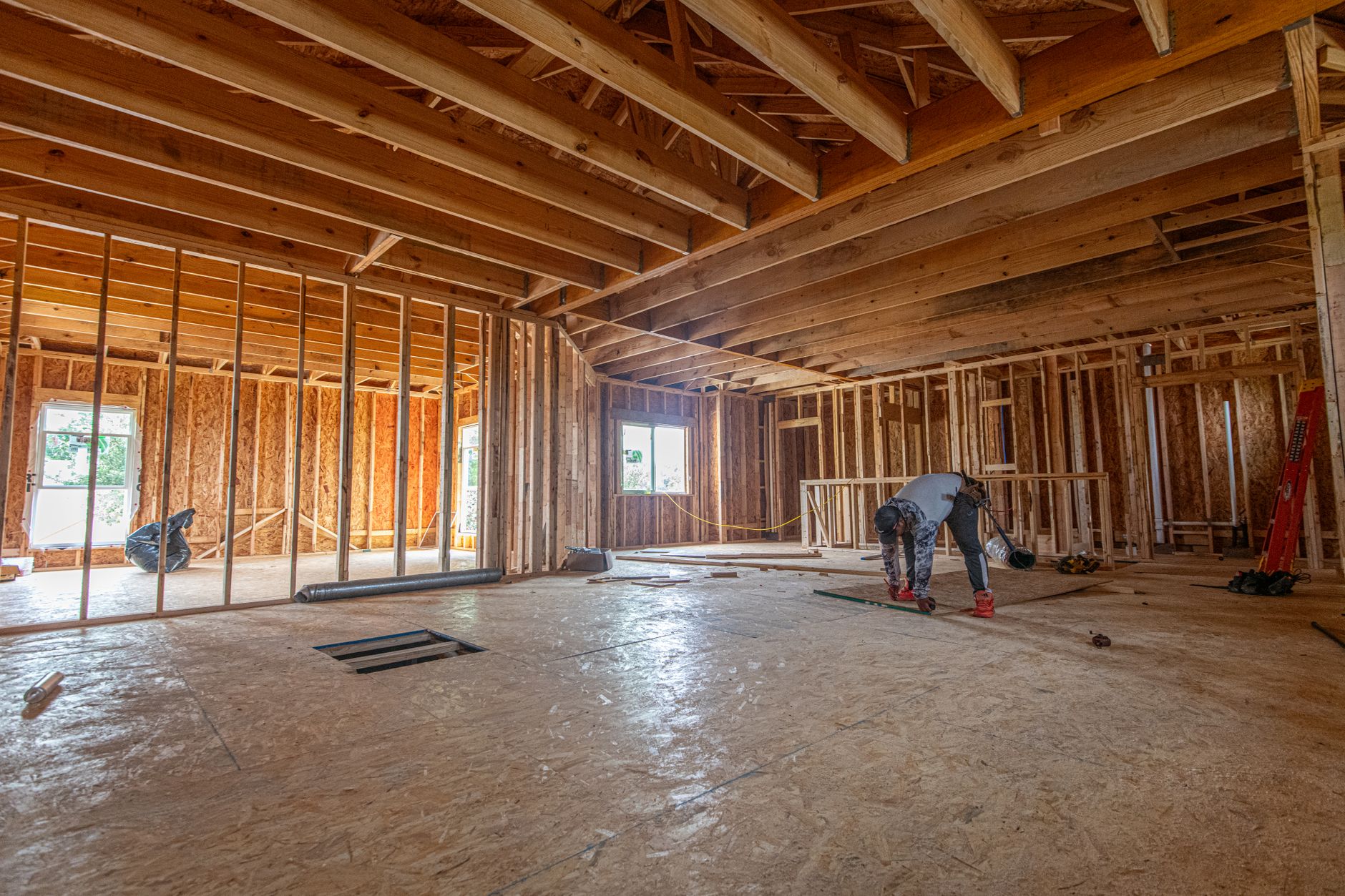 New-build ventilation: clear explanation of systems, requirements and costs
 Ventilation System D: Clear Explanation and Local Installation in Flanders
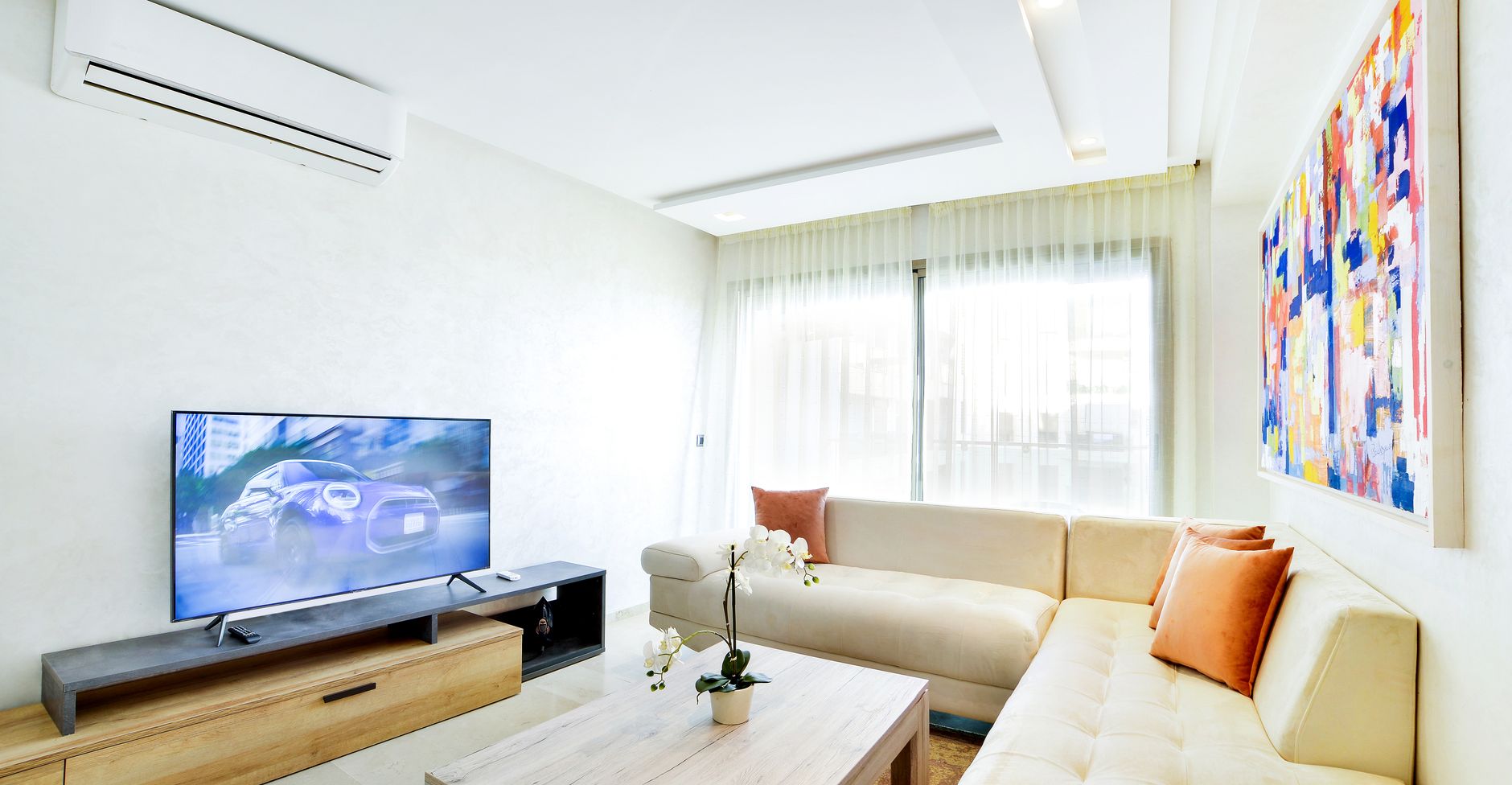 Apartment ventilation: clear advice and local installation
 Request a ventilation quote: clear advice and a sharp price
 Ventilation against damp in the home