Keuzehulp
The right system depends on your situation: new build, renovation or a concrete problem. Take the ventilation check and get preliminary advice with an indicative price in a few steps.
Take the ventilation check
Tailored advice
Ventilation selection guide: which system suits your home?
From new builds to renovation, we help you choose the ideal ventilation system. Clear comparison, local installers.
- Clear explanations without jargon
- Personal advice in your area
- Certified installers

Quick answer
How do I find the best ventilation system for my home?
A good choice starts with insight into your home: is it a new build or renovation, how large is the space, and what is your budget? The four main systems, A, B, C and D, differ in air supply, energy consumption and ease of installation. Our selection guide compares them clearly, so you can see which system best suits your situation.
When it comes to ventilation selection, it's about the balance between comfort, energy efficiency and your specific living situation. System A, for example, works completely naturally and requires little maintenance, while system D offers heat recovery and is ideal for airtight new-build homes. We explain each type with practical examples and a local focus, because in Flanders EPB requirements and subsidies play a major role. Our installers visit you to review the possibilities on site, without sales pressure.
Compare all ventilation systems easily and choose with confidence
Why is good ventilation crucial for your home?
A healthy indoor climate starts with fresh air. Without ventilation, moisture, CO₂ and harmful substances build up. This leads to mould, health problems and a stuffy feeling. In Flanders, ventilation is also legally required for new builds and major renovations, according to EPB regulations. A good system not only ensures a comfortable home, but also increases the value of your property.
The four basic types of ventilation systems at a glance
Ventilation systems are divided into types A, B, C and D. The main difference lies in how air is supplied and extracted, and whether there is a mechanical component. Below you will discover each system in detail.
System A: natural ventilation
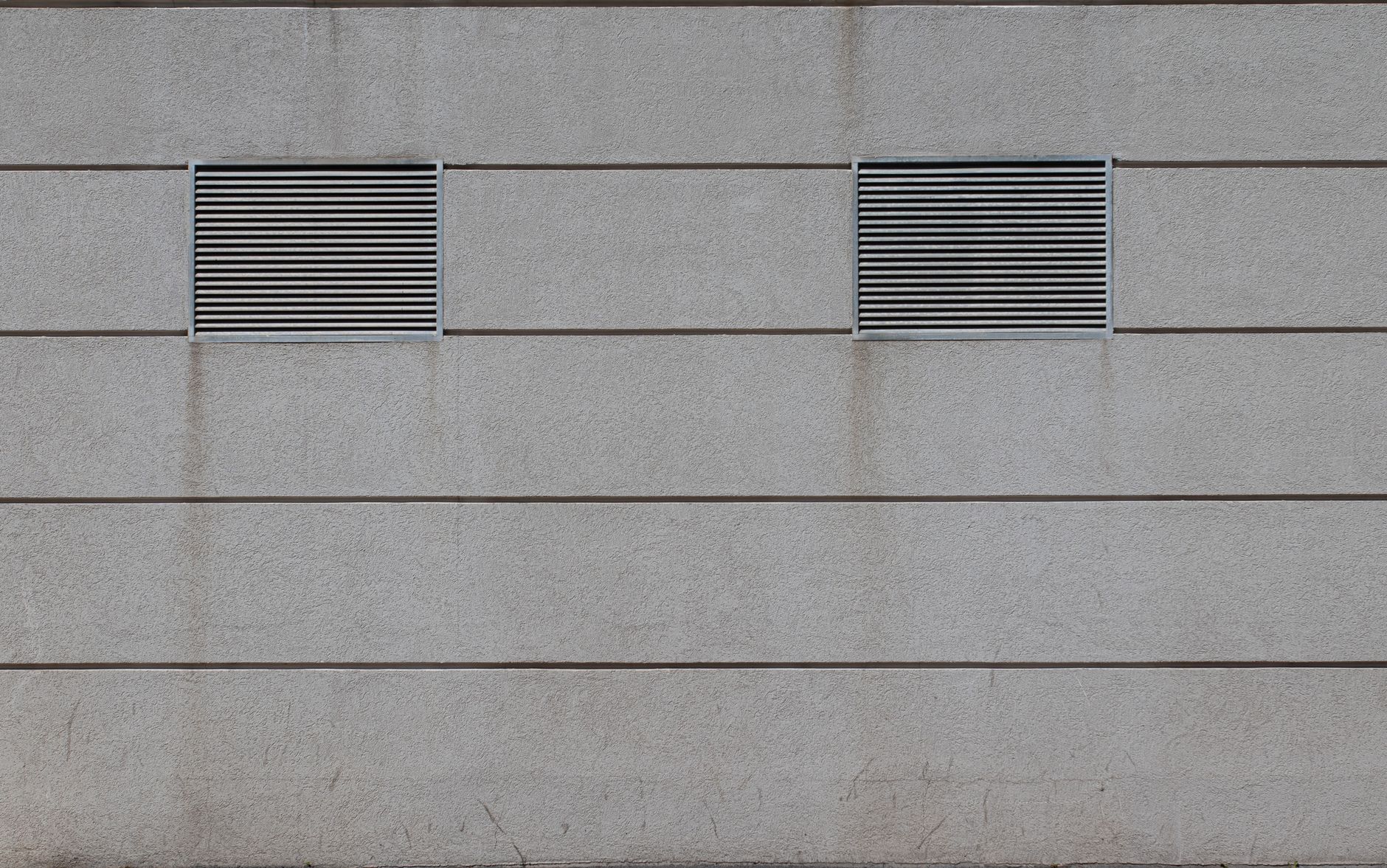
With system A, air enters through grilles in the facade and leaves the building via vertical ducts. Everything works on natural draught, no fans. It is the simplest and cheapest option, but performance depends on the weather. In older homes without insulation, system A may suffice, but in modern airtight houses it is often insufficient. Maintenance comes down to cleaning the grilles.
System B: mechanical supply, natural exhaust
Here, a fan pushes fresh air into the home, while stale air escapes naturally. System B is rarely used, as it is more complex than A but does not offer the benefits of C or D. It requires a well-adjusted installation and the supply fan can produce noise. For most homes, there are better alternatives.
System C: natural supply, mechanical exhaust
This is the most popular system in Flanders: air enters through window grilles and is centrally extracted by a ventilation box (usually in the kitchen, bathroom and toilet). The exhaust fan runs at a low continuous power and can switch to a higher setting on demand. System C is easy to install, also in renovation projects, and consumes little energy. Many brands such as DUCO and Renson offer extensive controls and designer grilles. The supply of fresh air does depend on open grilles, so occupants must open them themselves.
System D: balanced ventilation with heat recovery
System D, also known as balanced ventilation, works fully mechanically: a unit draws in both fresh air and extracts stale air. A heat exchanger recovers up to 90% of the heat from the extract air and transfers it to the supply flow, a significant energy saving. No window grilles are needed, which reduces noise nuisance and draughts. System D is ideal for airtight new-build homes, but the installation is more complex and requires well-adjusted ductwork. Combine it with passive cooling for extra comfort in summer. Since the system runs continuously, regular filter maintenance is a must.
Which system suits your situation?
The choice depends strongly on the type of home and your budget. For an existing house with moderate insulation, system C is often the practical solution, while a new build or a major energy renovation calls for system D. Our local specialists are happy to look at your situation with you. They take into account the layout of your home, the ventilation flow rate, and your wishes regarding comfort and noise.
What does a ventilation system cost in Flanders?
Prices vary greatly. System A: from €500 in materials, but the low performance often makes it not recommended. System C: count on €1,500 to €3,000 including installation, depending on the number of grilles and the ventilation box. System D: here costs start around €5,000 for a simple setup, but for larger homes or extra ductwork this can rise to €10,000 or more. Request a tailor-made quote to get a realistic picture for your project.
Premiums and subsidies for ventilation in Flanders
The Flemish government encourages energy-efficient ventilation. For new builds, system D is often the standard to meet EPB requirements. For renovation, there are premiums from Fluvius and the grid operator, depending on the energy label. Moreover, ventilation can count towards obtaining an EPC certificate. Our selection guide automatically takes into account current premiums in your municipality.
Maintenance and lifespan of your ventilation system
Every system requires regular maintenance. With system C, cleaning the grilles and vacuuming the exhaust vents annually suffices. System D requires new filters every 3 to 6 months. The ventilation box lasts an average of 15 to 20 years. Good maintenance keeps efficiency high and prevents costly repairs. Many installers offer a maintenance contract.
Decentralised ventilation: an alternative for renovation
In major renovations where central ductwork is not feasible, decentralised ventilation provides a solution. Small units per room provide demand-controlled ventilation, often with heat recovery. Brands like Renson Endura Delta or DUCO Box offer compact solutions that work locally and are easy to integrate.
Others also ask about choosing ventilation
What types of ventilation systems are there?
There are four main types: A (natural), B (mechanical supply), C (natural supply, mechanical exhaust) and D (balanced ventilation with heat recovery). In addition, there are decentralised systems for renovation.What is the difference between system C and D?
System C mechanically extracts air through a central duct and lets fresh air enter naturally through grilles. System D does both supply and exhaust mechanically, with a heat exchanger that recovers heat. D is more energy-efficient, but more expensive to install.How much does a ventilation system cost?
The price ranges from a few hundred euros for system A to more than 10,000 euros for an extensive system D. Factors include the type, the size of the home, installation complexity and the brands chosen.Is a ventilation system mandatory in Flanders?
Yes, for new builds and major renovations, EPB requirements impose a minimum ventilation standard. System C or D generally complies. Existing homes without renovation are not required to, but ventilation is strongly recommended.What is balanced ventilation?
Balanced ventilation is another word for system D. A central unit controls mechanical supply and exhaust of air, with a heat exchanger that recovers up to 90% of the heat. It ensures constant air quality without draughts.How do I maintain my ventilation system?
For system C: clean the window grilles every 3 months and vacuum the exhaust valves annually. For system D, replace the filters every 3 to 6 months and have the unit serviced by a professional every two years.Can I install a ventilation system myself?
Self-installation is possible for simple decentralised systems, but for ductwork and commissioning of system C or D, a certified installer is recommended because of warranty and adjustment.
Frequently asked questions
Your ventilation questions, answered clearly
- How long does it take to install a ventilation system?
- For a home with system C, count on one day for the installation of the ventilation box, ducts and grilles. System D takes an average of two to three days, depending on the complexity of the ductwork and adjustment.
- Which brands do you recommend?
- We work with renowned brands such as Renson, DUCO, Zehnder and SystemAir. Each brand has its strengths: Renson excels in designer grilles, DUCO in intelligent controls, and Zehnder in efficient balanced ventilation. Our experts advise based on your situation.
- What is the difference between central and decentralised ventilation?
- Central ventilation (system C or D) works with one main unit and a duct network. Decentralised ventilation places a small unit in each room, often with its own heat recovery. Decentralised is convenient in renovations where ducts are not possible.
- Do you also visit for no-obligation advice?
- Absolutely. Our installers in Flanders visit you at home free of charge to inspect the possibilities. They measure the spaces, answer your questions and draw up a tailor-made quote. This does not obligate you in any way.
- How much noise does a ventilation system make?
- Modern systems are whisper-quiet. With system C, you only hear a slight airflow at the grilles. System D may produce a soft humming sound in the technical room, but you won't hear it in the living areas. Good adjustment and acoustic attenuators minimise noise.
- Can ventilation help with allergies?
- Yes, especially system D with high-quality filters removes pollen, particulate matter and other allergens from the incoming air. That makes it a good choice for people with hay fever or asthma. However, replace the filters consistently according to the instructions.
Ready for the next step?
Let yourself be advised without obligation by our local specialists. Together we choose the ventilation system that suits your home and you receive a tailor-made quote.
Related pages
- Ventilation check: which system suits your home?
 Ventilation system maintenance: your guide to fresh air at home and at work
 Ventilation for Homes: Clear Guide for Your Ideal System
 Ventilation System C: Complete Guide for Homes and Businesses
 What is the best ventilation system for your home in Flanders?
 Custom ventilation plan: guide, rules & local approach