Systeem A
Discover how ventilation system A works, what it costs and whether it suits your home in Flanders. Including pros and cons and a free quote.
Take the ventilation check
Ventilation without a motor
Ventilation System A: Natural Ventilation Clearly Explained
How simple and reliable is ventilation without mechanical aid? Learn all about system A and find out if it suits your home in Flanders.
- Experienced custom advice
- Clear price quote
- Installation by certified professionals
Quick answer
What is ventilation system A?
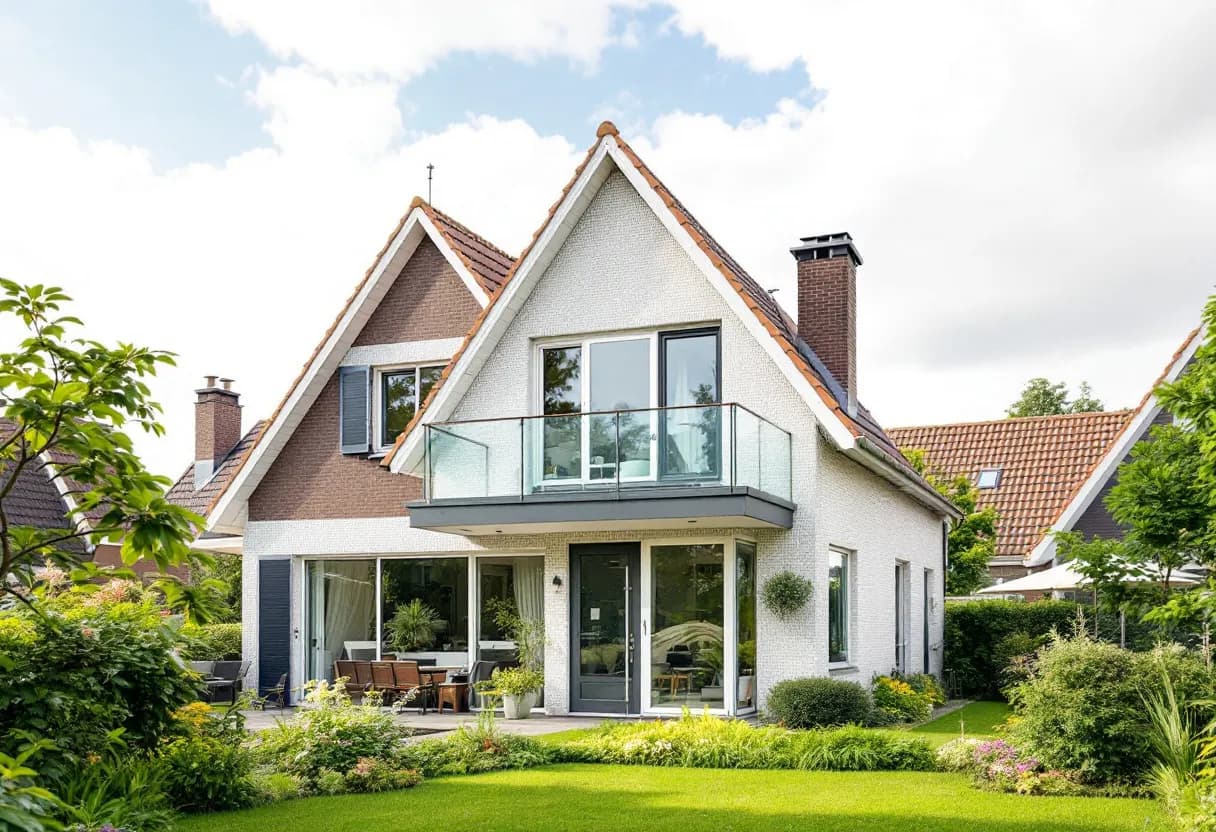
Ventilation system A is a completely natural ventilation system without fans. Fresh air enters through grilles in windows or walls, and stale air leaves the home via natural draft ducts. This system works on air pressure differences and wind, without electricity consumption.
It is the simplest and oldest ventilation principle, which still meets the basic standards for residential ventilation. System A is often found in older homes, but it can also be a conscious choice in new builds. Its operation strongly depends on weather conditions and the airtightness of the home.
How exactly does ventilation system A work?
In ventilation system A, both the supply of fresh air and the exhaust of stale air occur naturally. That means: no fans, no complex duct systems, and no electricity consumption. Fresh air enters through grilles located in windows, doors or exterior walls. These grilles are usually equipped with a regulator to adjust the air supply.
The exhaust takes place through vertical ducts that terminate on the roof. Warm, stale air rises naturally and leaves the home via these ducts. This is called the chimney effect. Wind around the roof also creates additional draft, enhancing the exhaust. The entire system is therefore completely dependent on natural forces.
The advantages of ventilation system A at a glance
Ventilation system A offers several clear advantages, especially for homes where simplicity and ease of maintenance are key:
- Extremely low energy consumption: because no fans are running, the system uses no electricity. This saves on the energy bill and makes it a sustainable choice.
- Minimal maintenance: without mechanical parts, there is hardly any wear. Cleaning the grilles occasionally and checking the ducts is sufficient.
- Quiet: there is no motor noise, only the soft rustle of wind through the grilles.
- Simple installation: installation is relatively easy, especially during renovation, as you don't need complex ducts or power supply.
- Continuous basic ventilation: the system works 24/7, even during power outages.
Disadvantages and limitations
Besides the advantages, ventilation system A also has clear disadvantages. Especially in modern, well-insulated homes, the performance can be disappointing:
- Dependent on the weather: during calm or warm weather, ventilation can be greatly reduced. In summer, stale air does not always rise on its own, which can worsen indoor air quality.
- No heat recovery: unlike ventilation system D, all heat from the exhaust air is lost. This leads to higher heating costs.
- Limited adjustability: you cannot finely tune the ventilation to occupancy or moisture production. Cooking, showering or having many visitors requires extra ventilation by opening windows.
- Less suitable for airtight homes: in highly insulated and draft-proof new buildings, the natural supply may be insufficient, leading to moisture problems.
Ventilation system A in Flemish homes
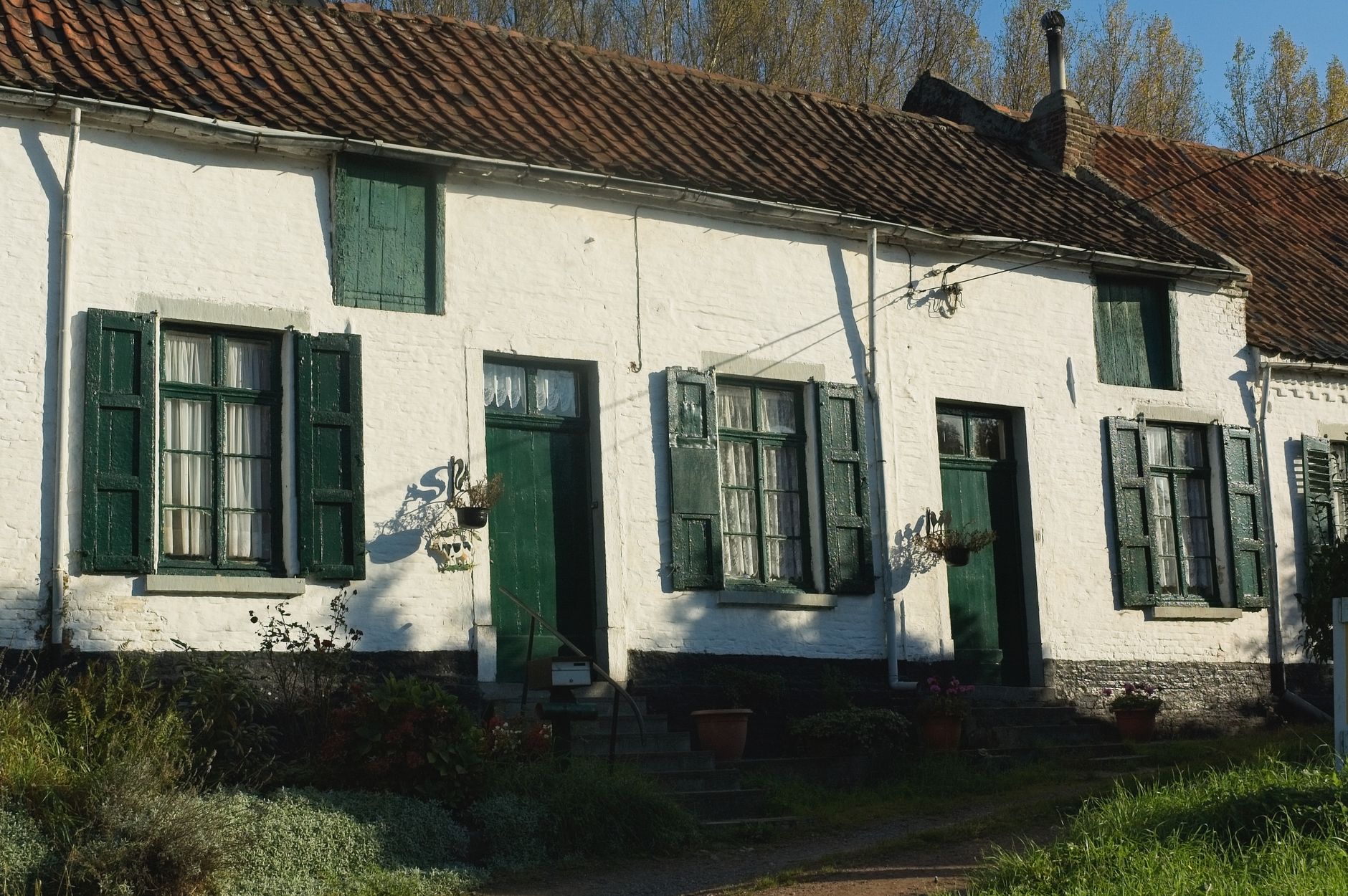
In Flanders, ventilation system A is still common in older terraced houses, apartments and farmhouses. These homes are often not extremely airtight, so the natural supply through gaps and grilles runs smoothly. During energy renovations, the system is often replaced by a more controlled ventilation system C or D, but for those who consciously choose simplicity and minimal interventions, A remains a valid alternative.
Note: since the EPB regulations, minimum ventilation rates apply. An existing natural system must meet these requirements; otherwise, it may be necessary to install additional grilles or switch to mechanical assistance.
Costs and installation of ventilation system A
The total price of a ventilation system A depends on the type of grilles, the number of ducts and the complexity of the installation. On average, you can expect €1,500 to €3,000 for a complete installation in an average home, including placement. That is significantly lower than with ventilation system D (often €5,000 to €8,000).
Especially for renovations, system A can be attractive for budget reasons, as no demolition work is needed for duct systems. Would you like an exact tailored price? Request your quote now and receive no-obligation advice from our specialists in your region.
Ventilation system A versus other systems
The choice between ventilation systems A, B, C and D is not always easy. While system A operates entirely naturally, ventilation system C uses mechanical exhaust (usually in the kitchen, bathroom and toilet) and natural supply. Ventilation system D (balanced ventilation) supplies and exhausts everything mechanically, with heat recovery. System B (reverse: mechanical supply, natural exhaust) is rare. Each system has its own price tag, comfort level and energy consumption. The best choice depends on your type of home, budget and comfort preferences.
Maintenance and tips
Maintenance of a ventilation system A is minimal. Nevertheless, regular inspection is important to prevent mold or blockages. Clean the grilles every two months with a damp cloth and check annually that the exhaust ducts are clear. Have the ducts professionally swept every three to five years, just like a chimney.
Best time to install: April as the ideal lead-up to May
Demand for ventilation systems traditionally peaks in May, when many people prepare their homes for summer. Those who take action now in April enjoy shorter waiting times and can benefit from a healthy indoor climate in time for the warm days. Our installers still have availability to schedule quickly in this period. Don't hesitate and request your quote now to be ready before the May rush.
Frequently asked questions about ventilation system A
What is the difference between ventilation system A, B, C and D?
The difference lies in the method of air supply and exhaust. System A is completely natural (no fans). System C combines natural supply through grilles with mechanical exhaust in wet rooms. System D has mechanical supply and exhaust with heat recovery. System B (mechanical supply, natural exhaust) is rare.How does natural ventilation work in a home?
Natural ventilation works based on air pressure differences. Wind creates overpressure on one facade (air enters through grilles) and underpressure on the other facade (air exits through ducts). In addition, the chimney effect, where warm air rises, provides extra exhaust. It is simple and requires no electricity.What are the pros and cons of ventilation system A?
Advantages: quiet, low maintenance, no electricity consumption, easy installation, reliable. Disadvantages: dependent on weather, no heat recovery, limited control, less suitable for modern airtight homes. The system can ventilate insufficiently in summer during calm weather.Is ventilation system A sufficient for an energy-efficient home?
For very well-insulated, draft-proof homes, system A is often inadequate. The natural supply may be insufficient, causing moisture and CO2 to accumulate. A better choice is then a system with mechanical exhaust (C) or balanced ventilation (D) with heat recovery to limit energy loss and ensure air quality.How much does a ventilation system A installation cost?
Count on €1,500 to €3,000 for a complete installation in an average home, including grilles, ducts and placement. The price varies depending on the number of grilles, roof penetrations and the level of difficulty. Always request a detailed quote for your situation.How often should you clean the grilles in system A?
Remove dust and dirt from the grilles every two months with a damp cloth. Check annually that the ducts are clear. Have the exhaust ducts professionally cleaned every 3 to 5 years to avoid blockages and mold growth.
Why choose a local ventilation specialist?
As the only Flemish ventilation specialist that combines clear explanations with a local approach
Every home breathes differently. We translate complex systems into understandable solutions and bring the advice to your home. Our installers know Flemish building styles and know how to ventilate your home optimally.
Local knowledge
We understand the typical housing types in your province and work with installers from the area.
No sales talk
We advise what really suits your home, even if it's a simpler system.
Fixed price upfront
You know immediately what to expect. No surprises afterwards, but a clear guarantee.
Everything in one hand
From the first conversation to the inspection: we take care of the entire process.
Practical questions about quote and installation
Our most frequently asked questions from customers
- Does an installer come to my home for a proposal?
- Of course. We always first inspect your home on site, that is the only way to give suitable advice. During the visit, we measure the rooms, discuss your preferences and you receive an indicative price immediately. That visit is completely without obligation.
- How long does the installation of ventilation system A take?
- For an average home, the installation of ventilation system A usually takes one to two days. This includes installing the window grilles, laying the vertical ducts and the roof penetrations. Because we work with fixed teams, we can act quickly.
- Do I get a warranty on the installation?
- Yes, you get a two-year warranty on the installation and we also arrange the manufacturer's warranty on the materials used. Should something not work properly, we will repair it free of charge.
- Can I have my existing ventilation converted to system A?
- That depends on your current system and home. In older houses without mechanical ventilation, it is often possible to optimize system A. For existing mechanical systems, we usually recommend switching to a more modern solution such as <a href="#">system C</a> or D. We give you honest advice.
- What is the best time to install ventilation?
- Spring (April-May) is ideal. Temperatures are mild, so you don't suffer from drafts or heat loss during the work. Moreover, demand is high in spring; those who request a quote in April benefit from shorter waiting times and can start the summer healthily right away.
- Are there subsidies for ventilation in Flanders?
- For ventilation system A itself, there are no direct subsidies. However, the replacement of outdated systems may, under certain conditions, qualify for renovation grants or be part of a larger energy renovation project. Our advisors will find out for you if you are entitled to anything.
Ready for a healthy indoor climate?
Our ventilation specialists in your region will be happy to help you choose and install the ideal system. Receive a no-obligation tailored quote.
Related pages
 Ventilation System B: mechanical supply, natural exhaust
 Natural ventilation in your home: clear explanation and practical tips
 Office ventilation system: healthy air, productive employees
 Quiet ventilation: less noise from your system
- Ventilation check: which system suits your home?
 Ventilation for Homes: Clear Guide for Your Ideal System