Energie
Discover how to save energy with the right ventilation system in your Flemish home or business. Clear explanations, concrete tips, and local installation.
Take the ventilation check
Fresh air without wasting energy
Energie
Discover how to save energy with the right ventilation system in your Flemish home or business. Clear explanations, concrete tips, and local installation.
Take the ventilation checkDiscover how the right ventilation system improves your health and lowers your energy bill. For homes and businesses throughout Flanders.
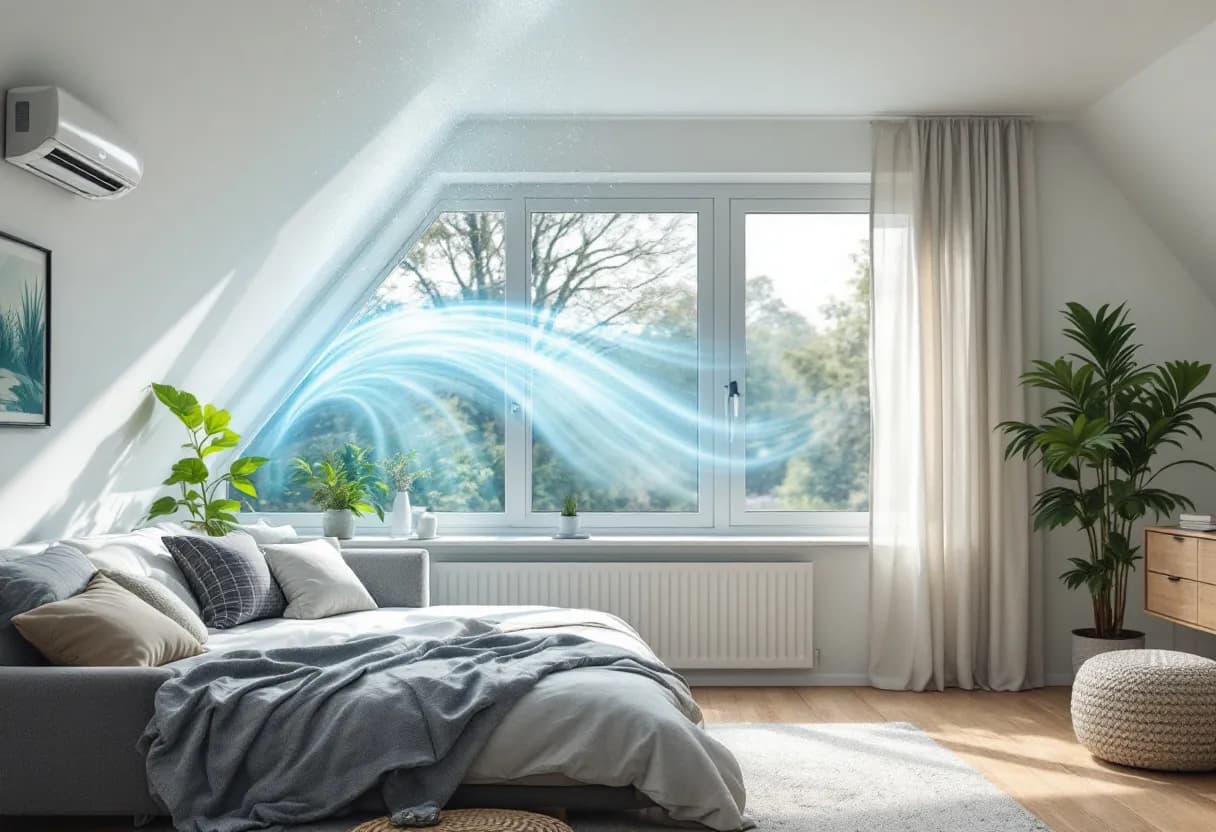
By choosing demand-controlled ventilation, heat recovery, or a modern mechanical system, you prevent unnecessary heat loss. Instead of opening windows, you refresh the air in a controlled way. This can save up to 30% on heating costs while maintaining optimal air quality.
Traditional ventilation via vents and open windows lets a lot of heat escape. Modern systems, such as balanced ventilation with heat recovery (type D), recover heat from the extracted air and use it to preheat the fresh air. Demand-controlled systems with CO2 or humidity sensors only ventilate harder when needed, not continuously at full power. Also, maintaining your system (cleaning filters, checking ducts) keeps efficiency high.
A healthy indoor climate is indispensable, but many people fear that ventilating will drive up their energy bill. It doesn't have to. With the right approach, you get fresh air and keep costs low. In Flanders, where we have increasingly strict insulation standards, a thoughtful ventilation strategy is more important than ever. Read here exactly how it works.
Ventilation removes polluted air - think CO2, moisture, particulate matter, and chemicals from furniture - and brings in fresh oxygen. Without ventilation, moisture accumulates, leading to mold and health problems. A well-ventilated home is not only more comfortable but also healthier. Problems like allergies, headaches, and loss of concentration due to too much CO2 can be easily prevented.
Many people close the vents in winter to combat drafts and energy loss. That often creates more problems than it solves. Fortunately, there are systems that ventilate energy-efficiently without compromising comfort.
In Flanders, we distinguish four basic types, indicated by letters A through D. Each type has a different effect on your energy consumption.
The biggest energy gain is achieved by recovering the heat that otherwise disappears through windows or vents. With system D, this happens automatically. But you can also save with system C by using self-regulating vents that close in strong wind, or with demand control that adjusts extraction based on humidity or CO2. Discover more about balanced ventilation.
A few simple adjustments make a big difference, even without an expensive investment:
Many people think that ventilating only costs energy. But humid air requires more energy to heat than dry air. So by ventilating, you actually make heating more efficient. Another misconception is that you should leave windows permanently ajar - that's actually wasteful and costs unnecessary heat. Controlled and brief, or via a mechanical system, is always smarter.
In winter, the temptation is great to keep everything tightly shut. Yet ventilation is essential precisely then, because we spend more time indoors and heat more. In the morning or after showering, open windows on opposite sides for a quick air refresh: 10 to 15 minutes is sufficient. If you have mechanical ventilation, let it run day and night at a low flow rate, and only switch to a higher setting during cooking or showering. Discover our range for energy-efficient ventilation in winter.
A healthy indoor climate requires continuous basic ventilation, even when you're not home. This can be done with a mechanical system on the lowest setting. If you want to ventilate with windows, do so two to three times a day for about fifteen minutes. Longer than that is a waste of heat. Even better is the combination of continuous basic ventilation and short bursts of airing.
Yes, that is possible with a balanced ventilation system (system D). No vents in the facade are needed because both supply and exhaust are mechanical. There are also decentralized units with heat recovery for bedrooms that you can install without major renovations. Discover how to install a ventilation system without vents.
Your questions about ventilation in Flanders
Let us assess your situation. We'll visit you, listen to your needs, and draw up a ventilation plan that fits your home or business in Flanders. Request your quote today.
 Quiet ventilation: less noise from your system
 Apartment ventilation: clear advice and local installation
 Bathroom Ventilation: All About Venting and Moisture Control
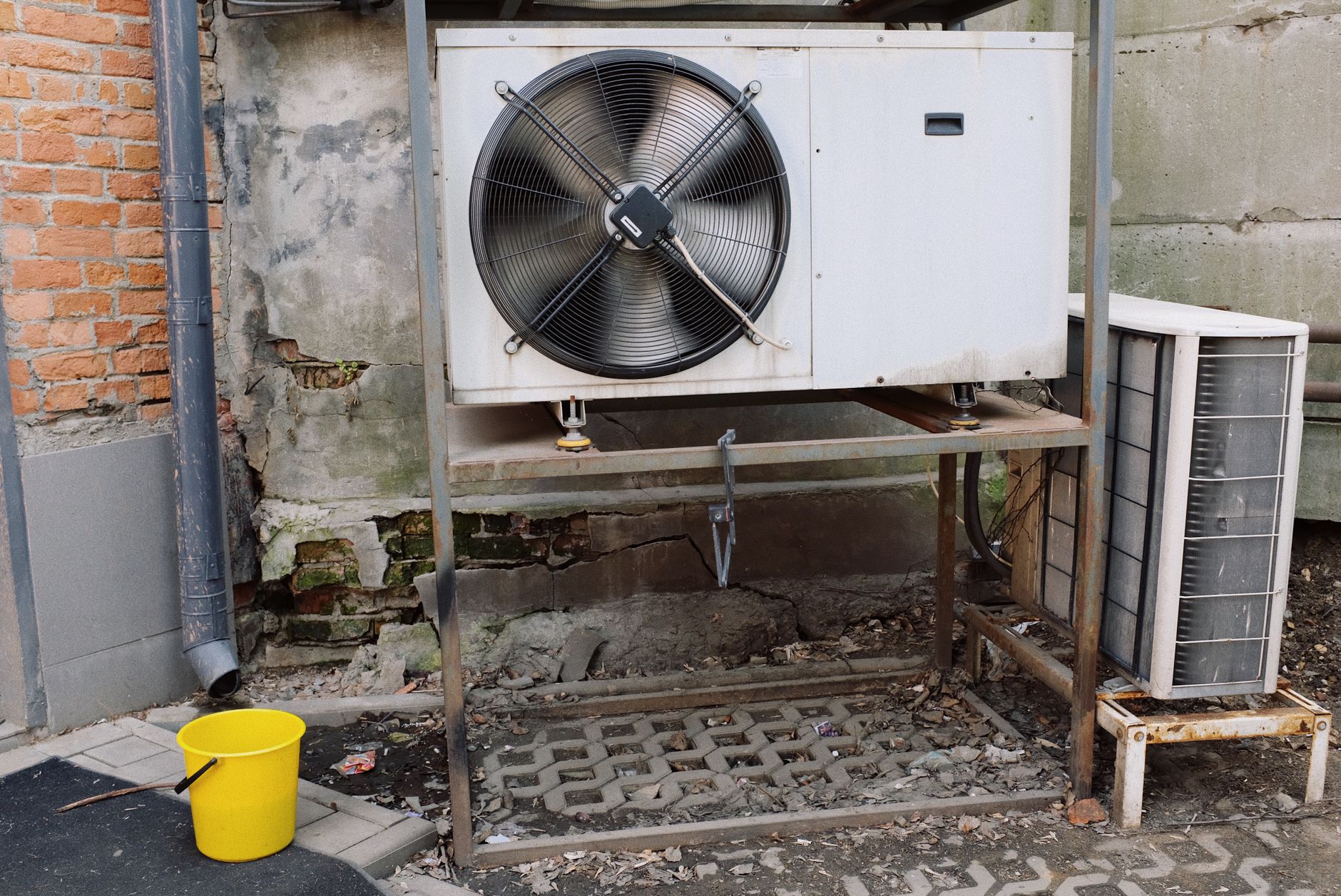 Buva ventilation: systems for healthy indoor air
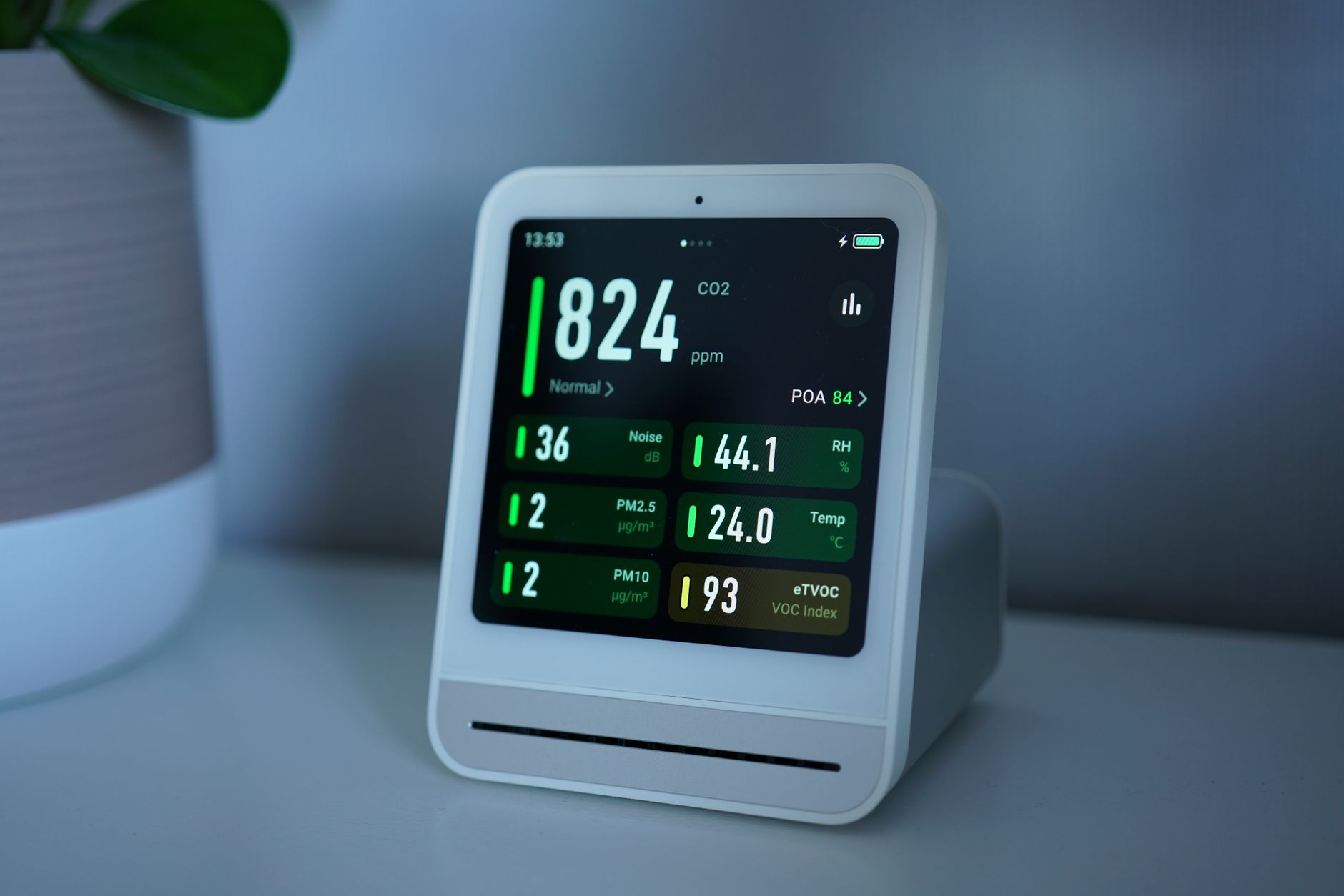 CO2-controlled ventilation, clear explanation and installation throughout Flanders | Ventilatiesysteem.info
 CO2-controlled ventilation: how it works and why it's smart