CO2
Discover how CO2-controlled ventilation works, the benefits, costs and suitable systems for your home in Flanders. Request your quote directly.
Take the ventilation check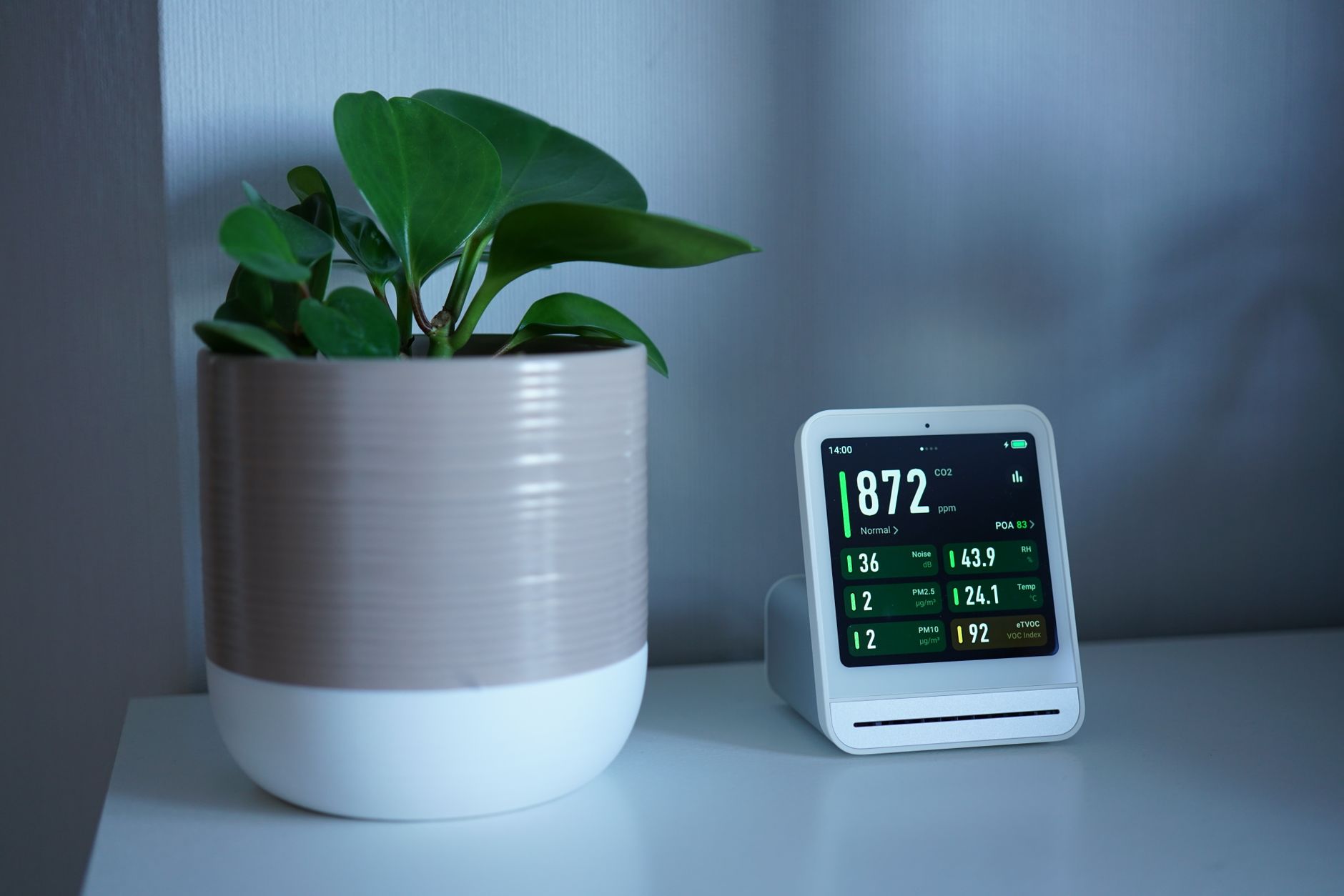
CO2
Discover how CO2-controlled ventilation works, the benefits, costs and suitable systems for your home in Flanders. Request your quote directly.
Take the ventilation checkDiscover how a CO2 sensor automatically controls your ventilation for a healthy indoor climate, without energy waste. Clear explanation and expert installation throughout Flanders.
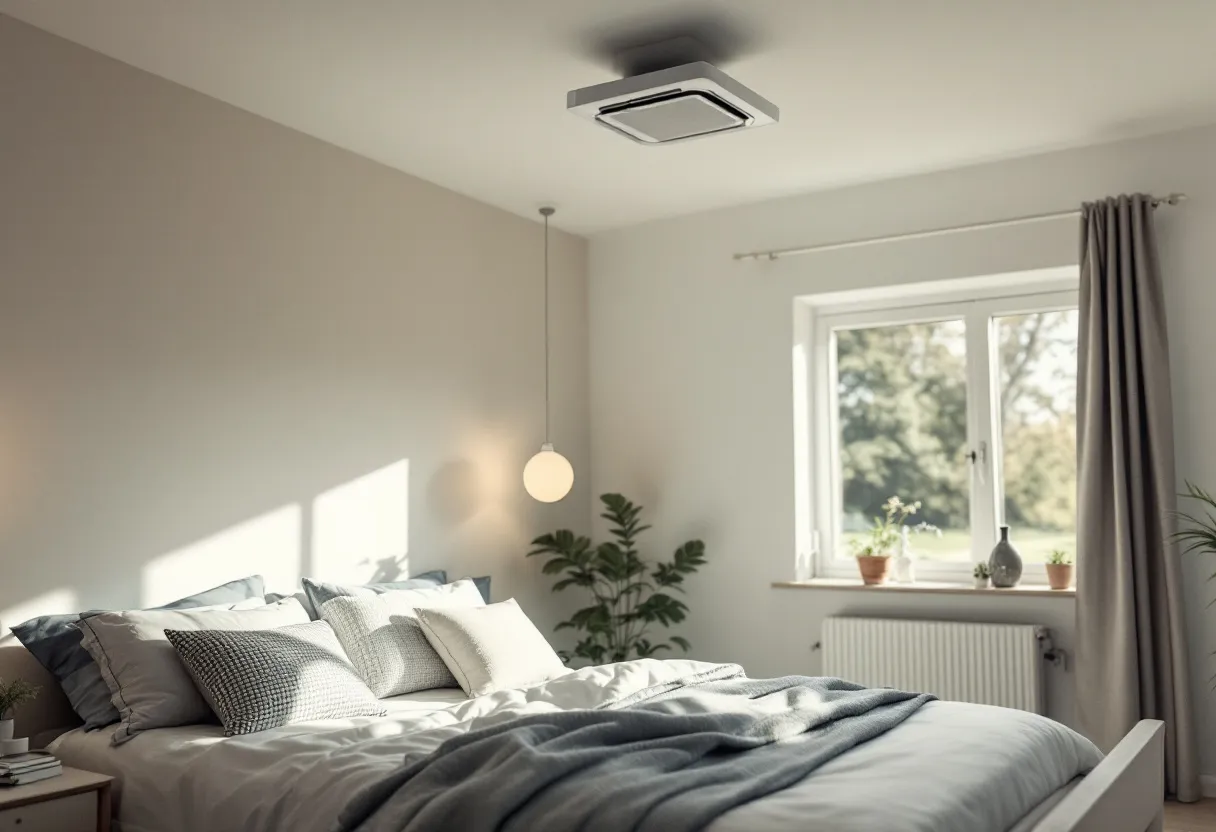
CO2-controlled ventilation is a smart ventilation system that automatically ventilates based on the CO2 concentration in the air. As soon as the CO2 level rises due to the presence of people, sensors ensure that the system supplies extra fresh air. This way you never ventilate too much or too little, saving energy and creating a healthy indoor climate.
Unlike traditional ventilation systems that run at fixed times or constantly, a CO2-controlled system adjusts to the actual air quality. An infrared sensor continuously measures the CO2 level. If it rises above a set limit (for example 800 ppm), the ventilation switches to a higher setting. When the CO2 drops again, the system returns to basic ventilation. This way you always breathe fresh air, without unnecessary energy loss.
A CO2-controlled ventilation system uses sensors to continuously measure the carbon dioxide level in a room. Carbon dioxide (CO2) is a natural gas that we exhale. The more people in a room, the higher the concentration. At too high CO2 levels we feel tired, less concentrated and headaches can occur. A CO2 sensor, often based on infrared technology (NDIR), sends a signal to the ventilation unit. It reacts by increasing the supply or exhaust of air until the CO2 level is healthy again (below 800, 1,000 ppm). Then the system returns to a low basic level. This demand-controlled ventilation is much more efficient than systems that work on a timer or manually.
You can apply CO2 control to various ventilation systems:
Which type suits best depends on your home, budget and insulation level. Our advisors are happy to help you further.
Why are more and more Flemings choosing CO2-controlled ventilation? These are the main advantages:
The price depends on the type of system, the size of your home, the number of sensors and whether it is new construction or renovation. As a guideline, for a single-family home you can expect 1,500 to 4,000 euros for a central system, including installation. Decentralized units usually cost between 500 and 1,200 euros each. Demand-controlled grilles start at a few hundred euros per window. Always request a custom quote; so you know exactly where you stand. In Flanders, there are sometimes renovation grants from the grid operator or local authorities for energy-efficient ventilation, we are happy to look into that for you.
A CO2-controlled ventilation system requires little attention. Replace the filters every 6 to 12 months and have the sensors calibrated by a professional every 2 to 3 years. The sensor itself lasts about 10 years on average. With good maintenance you extend the lifespan of your installation and keep the air quality optimal.
In Flanders, ventilation is not a luxury, but a necessity. Well-insulated homes retain heat, but also moisture and CO2. Balanced ventilation with CO2 control (system D) is often the best choice in new construction, while in existing homes a decentralized system or adaptation of an existing mechanical ventilation with CO2 sensors can work perfectly. Our local experts are happy to visit you to look at the possibilities, from Antwerp to Limburg, and from East to West Flanders.
Our approach
Every home breathes differently. As the only ventilation specialist in Flanders, we combine clear explanations with a local approach, so you can make the right choice with confidence.
We explain complex systems in plain language, without technical jargon. So you understand exactly what you need.
Our skilled installers are active throughout Flanders. After your quote, we are quickly at your door.
We work with reliable brands and provide clear warranty. Even after installation we remain available for questions.
You get a detailed custom quote, with no hidden costs. And we think along about grants and subsidies.
Our installers and advisors are active throughout Flanders. From our local posts we can quickly visit you for a consultation or installation. This ensures short lines and a familiar face.
Cost and savings
The investment in CO2-controlled ventilation pays itself back through lower energy costs and higher living comfort. The final price depends on several factors. In our custom quote we calculate everything clearly for you.
Your questions answered
Let us assess your home and receive a no-obligation quote for custom CO2-controlled ventilation. Within a few days you'll know exactly what the possibilities and costs are.
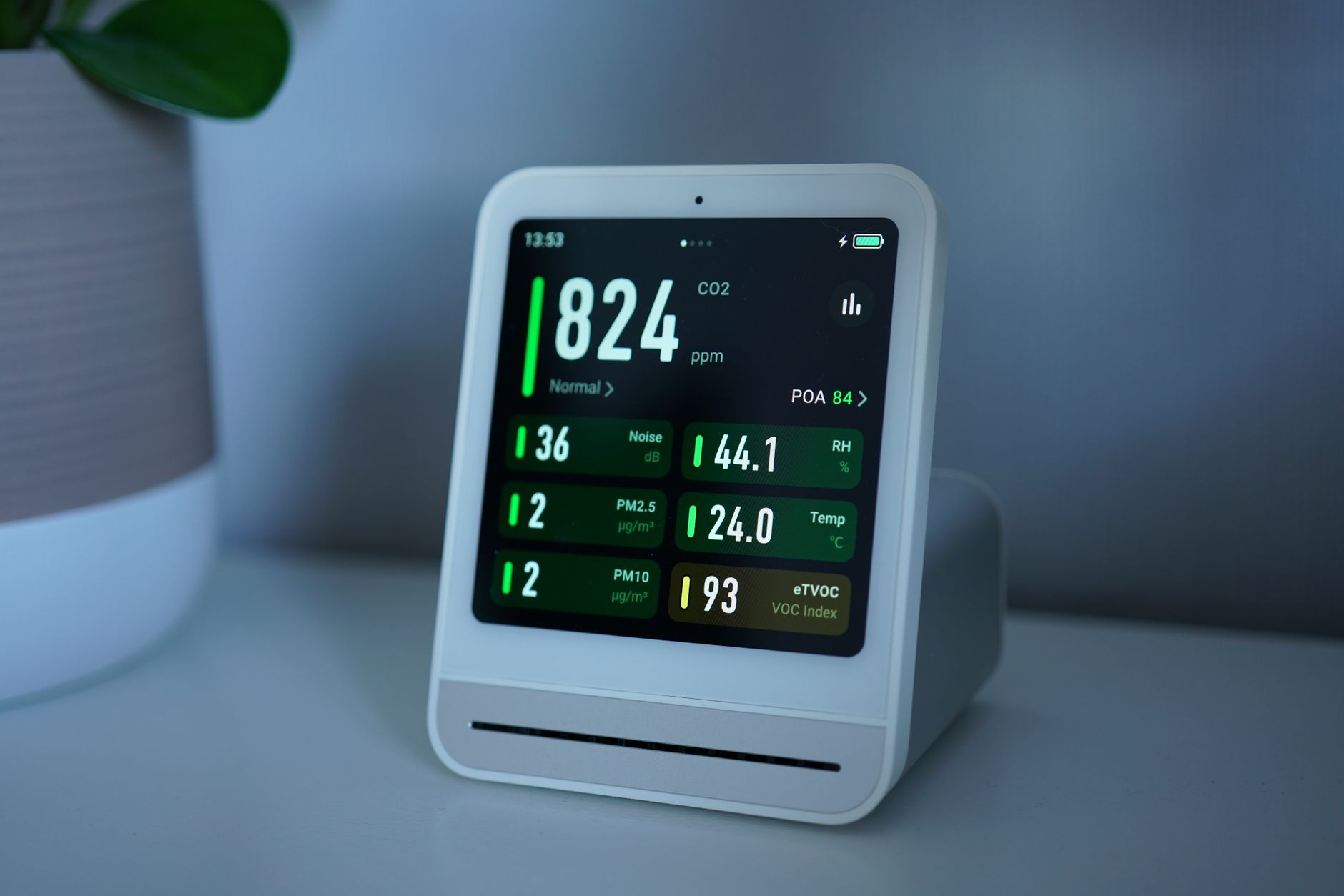 CO2-controlled ventilation, clear explanation and installation throughout Flanders | Ventilatiesysteem.info
 Ventilation system C+ (demand-controlled): explanation, costs and when to choose
 Apartment ventilation: clear advice and local installation
 Bathroom Ventilation: All About Venting and Moisture Control
 Buva ventilation: systems for healthy indoor air
 Custom ventilation plan: guide, rules & local approach