Badkamer
Condensation and mould in the bathroom almost always come from insufficient extraction of damp air. Controlled mechanical extraction (system C or C+) usually solves it.
Take the ventilation check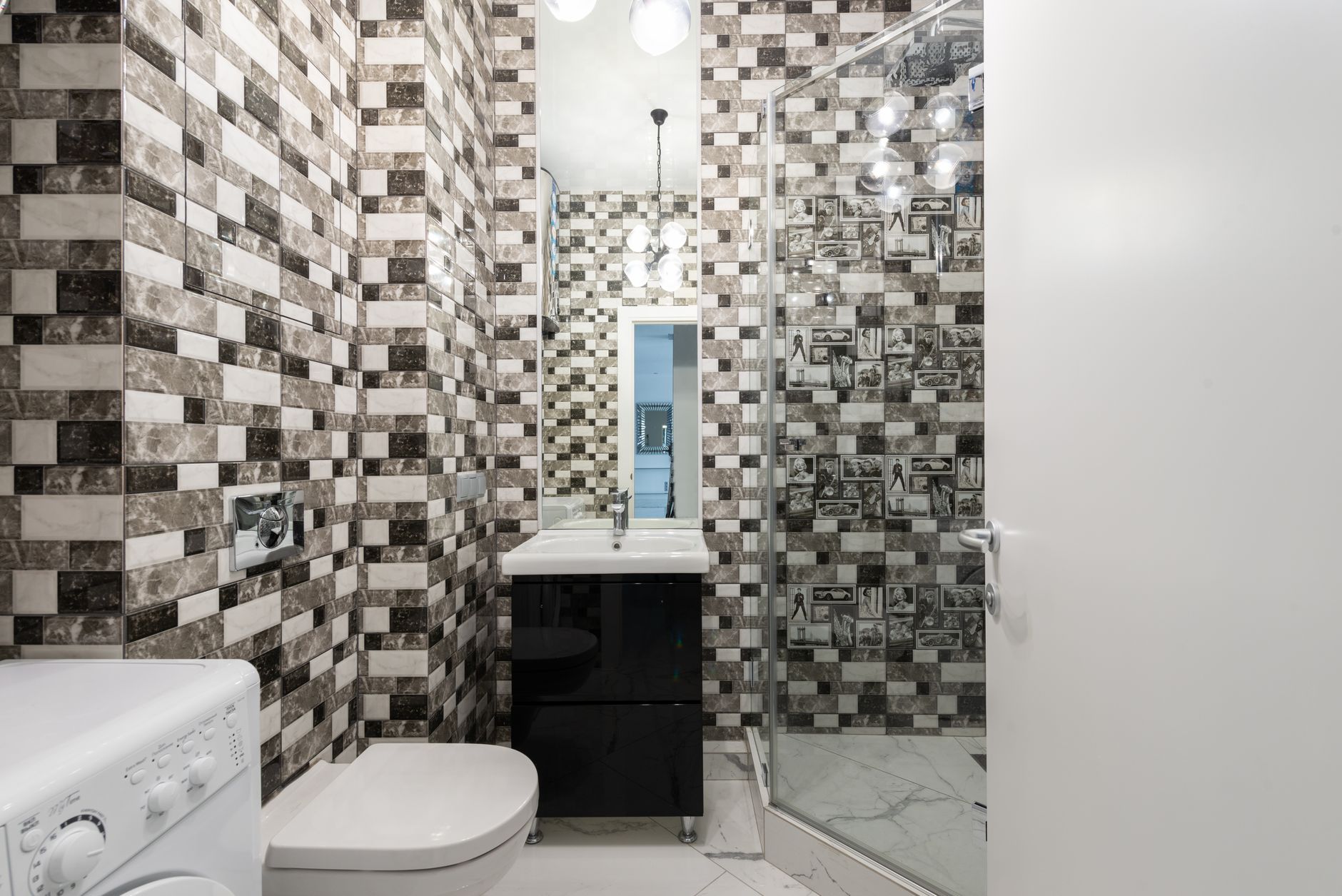
Badkamer
Condensation and mould in the bathroom almost always come from insufficient extraction of damp air. Controlled mechanical extraction (system C or C+) usually solves it.
Take the ventilation checkFrom a simple fan to a smart system with a humidity sensor: discover the best solution for your bathroom in Flanders. Request no-obligation advice and a customized quote.
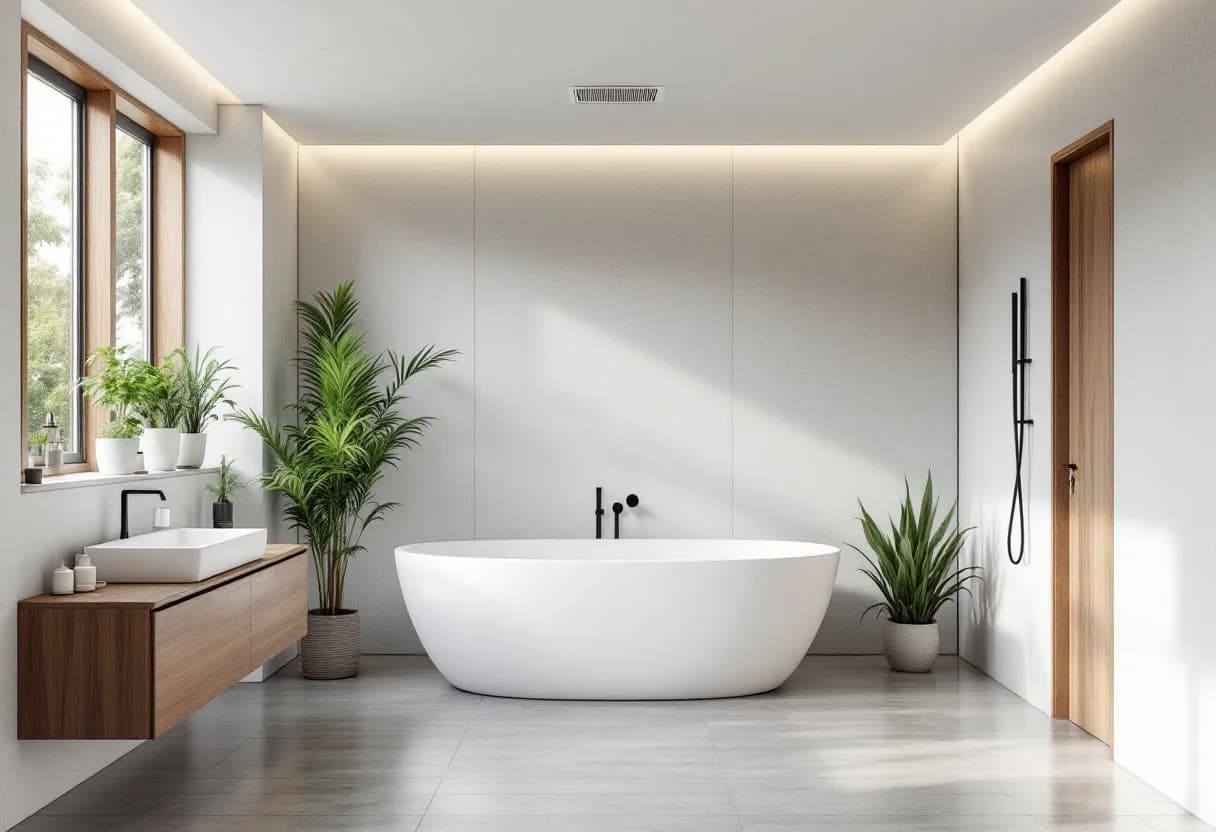
A warm shower or a relaxing bath: it's part of daily life. But what happens to all that moisture? In a poorly ventilated bathroom, the steam settles on walls, mirrors, and ceilings. The result: mold spots, peeling wallpaper, and a musty smell. Moreover, a damp environment is unhealthy and can worsen respiratory problems.
In Flanders, where many homes are well insulated, moisture lingers even longer. Modern homes are built airtight, which saves energy but also means that natural ventilation through cracks and crevices almost disappears. That's why a well-thought-out ventilation system in the bathroom is not a luxury, but a necessity. It prevents damage to your home and ensures a fresh, healthy living environment.
Every bathroom is different, and that requires a customized approach. In general, there are three main types of ventilation:
Through an open window or a ventilation grille in the facade. In older Flemish houses, this is still common, but it is highly dependent on the weather and leads to heat loss. For constant air quality, it is insufficient.
A fan (surface-mounted or built-in) blows the moist air outside. This is by far the most commonly used solution. The fan can be placed in the wall, ceiling, or via a duct to the roof. Versions with a humidity sensor, timer, or remote control make it extra comfortable.
When your home already has a central system (type C or D), the bathroom can be connected to it. This requires a well-thought-out design and is often applied during renovation or new construction. Read more about the advantages of central ventilation on our overview page.
Additionally, hybrid solutions exist: for example, a decentralized fan that works together with a central unit, or a system with heat recovery specifically for the bathroom. Our experts are happy to look with you at what best suits your situation.
Why choose us?
As the only ventilation specialist that combines clear explanations with a local approach, we understand that every home breathes differently. We translate complex systems into understandable solutions, so you can choose with confidence.
Our technicians come to your home in Antwerp, Limburg, East or West Flanders or Flemish Brabant. Local advice, no distant call centers.
We listen to your wishes and assess the possibilities on site. No sales pitches, but an honest proposal that fits your home.
Our experienced installers neatly place everything and work with A-brands. You enjoy a full warranty on materials and labor.
We quickly schedule an appointment and after installation, our team is ready for you for maintenance or questions.
A fan in the wrong place quickly loses its usefulness. The ideal position is as close as possible to the moisture source, so above the shower or bath, and on the opposite side of the air supply. This creates an efficient airflow throughout the room.
Regarding capacity, you look at the volume of the bathroom. Rule of thumb: the fan must be able to refresh the entire air volume 5 to 8 times per hour. This translates to a flow rate (in m³/h) which you calculate by multiplying length × width × height by the desired air change factor. Our installers will of course do this for you, but it gives an idea of what is needed.
Also take into account the noise level. A quiet fan (20-30 dB) is certainly an added value in a bathroom. Modern DC motors are whisper-quiet and also consume less than traditional AC motors.
The choice between a ceiling or wall fan depends on the construction. In a bathroom with a flat roof, a roof vent is usually the best option. If the bathroom is on an outer wall, a direct wall vent can suffice. Sometimes it is necessary to run a duct to a sloping roof or a central exhaust shaft. Our technicians will provide you with a clear plan during the site visit.
From a small bathroom in an apartment in Antwerp to a luxurious bathroom in a villa in Limburg: we have experience in every Flemish province. Our local experts know the typical building styles and moisture problems in your region and provide a solution that really works.
Your questions answered
Don't wait until mold and damp spots get worse. Request your no-obligation quote today and receive personal advice from a ventilation specialist in your area.
 Apartment ventilation: clear advice and local installation
 Buva ventilation: systems for healthy indoor air
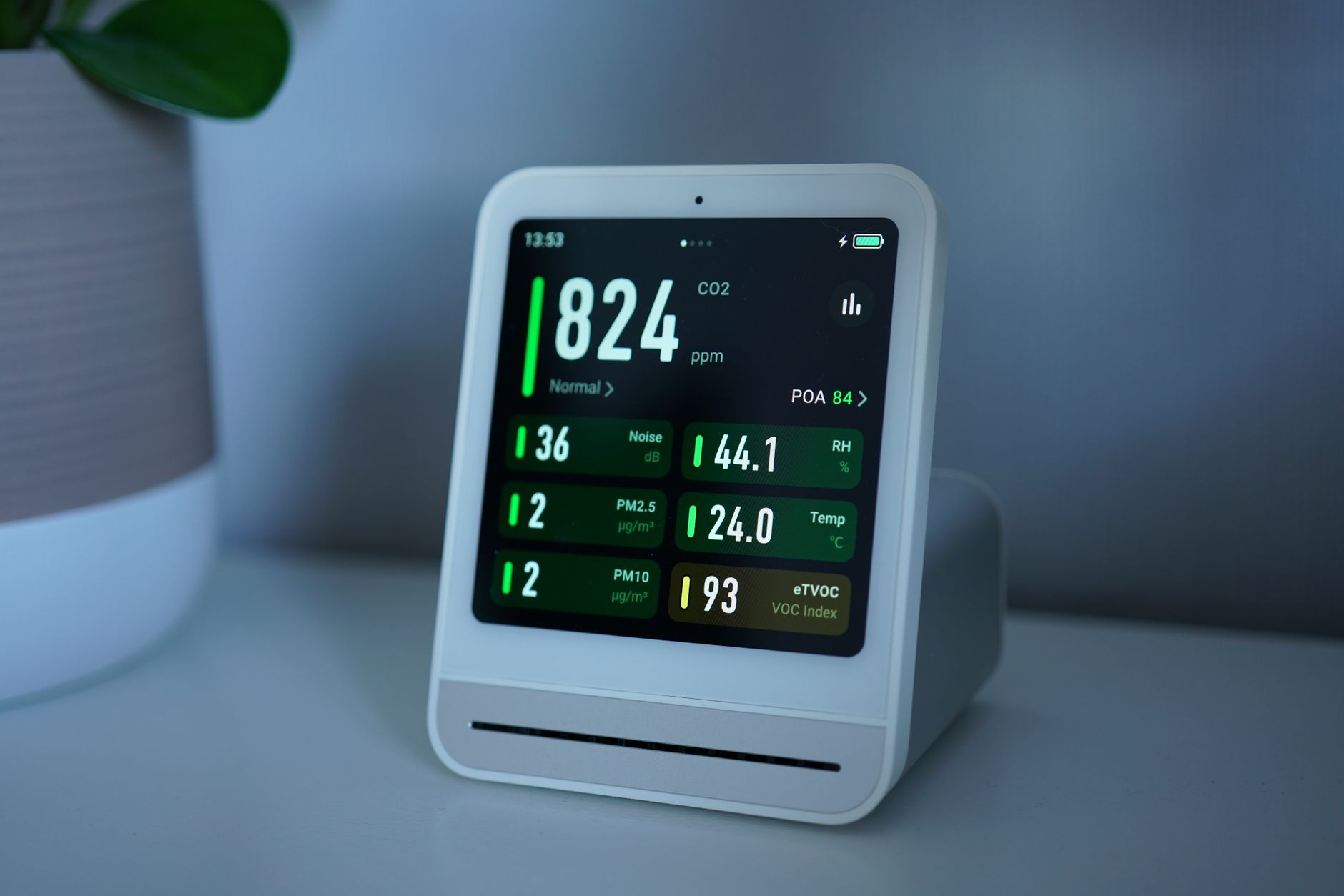 CO2-controlled ventilation, clear explanation and installation throughout Flanders | Ventilatiesysteem.info
 CO2-controlled ventilation: how it works and why it's smart
 Custom ventilation plan: guide, rules & local approach
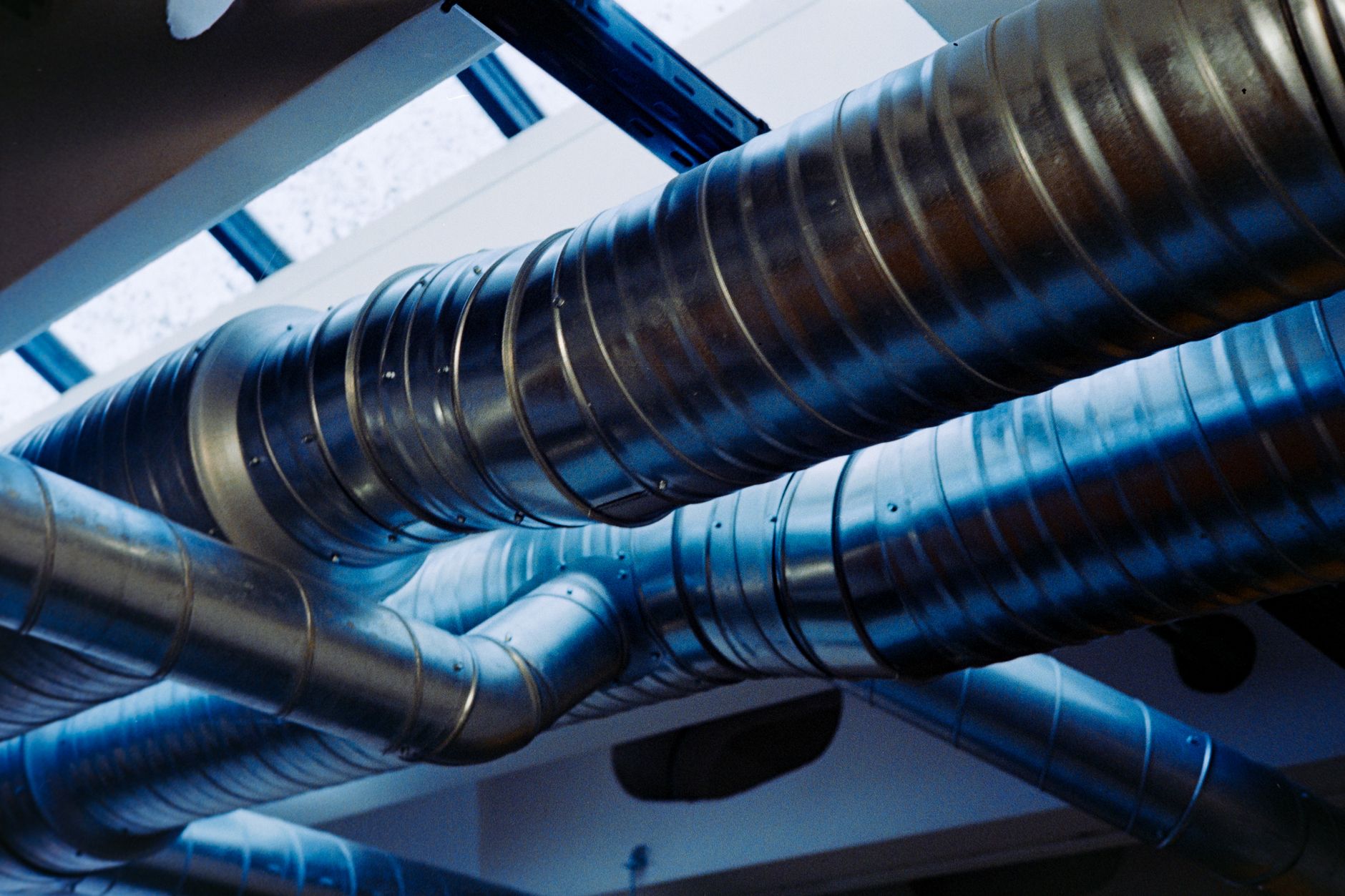 Duco ventilation: brand, systems and what it stands for