Keuken
Kitchen ventilation: from extractor hoods to mechanical systems C+ and D+. Clear advice and local installation across Flanders. Request free assessment.
Take the ventilation check
Keuken
Kitchen ventilation: from extractor hoods to mechanical systems C+ and D+. Clear advice and local installation across Flanders. Request free assessment.
Take the ventilation checkDiscover which ventilation system suits your kitchen, home, or business. From extractor hood to central system: we make it understandable and install it in your area.
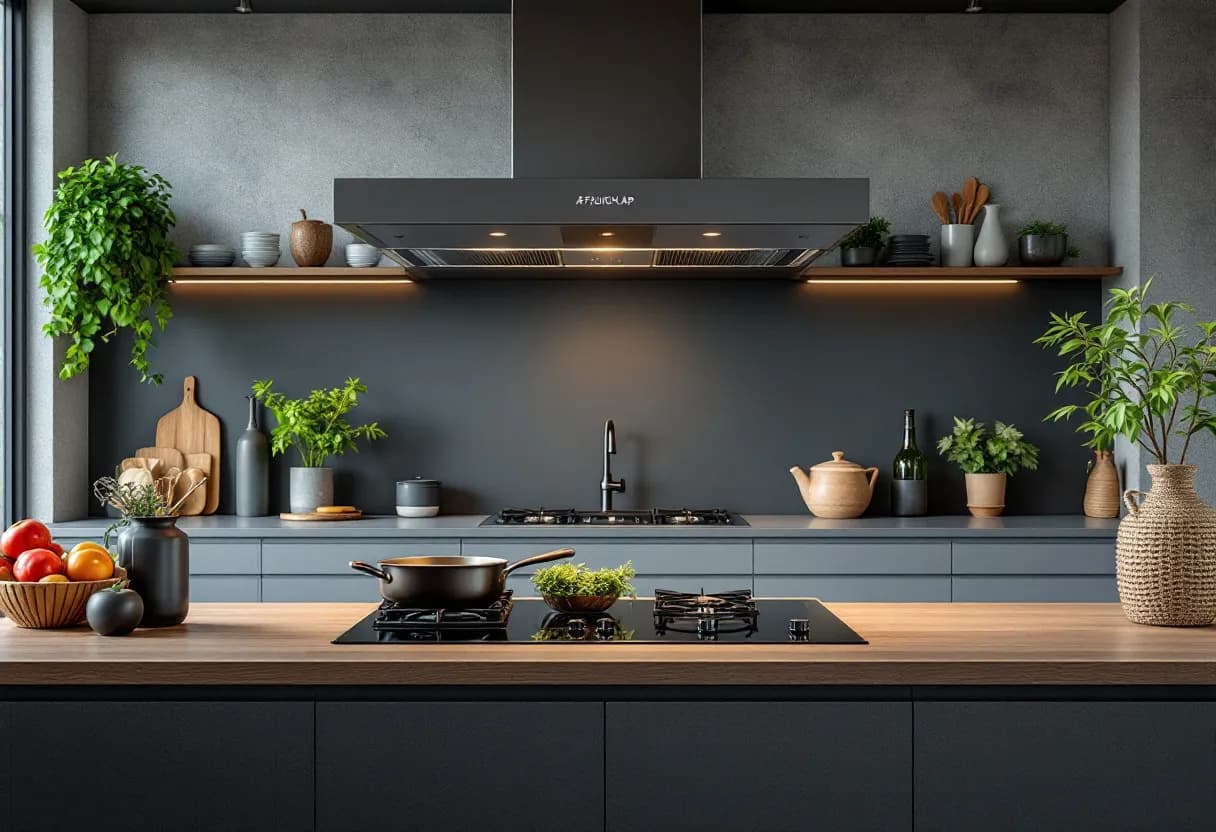
The best ventilation for your kitchen depends on the size, cooking habits, and available ductwork. An extractor hood with mechanical extraction to the outside is ideal if there is a duct; otherwise, a recirculation hood with a carbon filter or a central ventilation system C+ or D+ is a good alternative. Our local experts help you choose.
In Flanders, the EPB regulations also play a role: for new construction and major renovations, ventilation is mandatory. A combination of an extractor hood and a mechanical ventilation system often provides the best air quality. Read more about the regulations or request personal advice.
A kitchen is the beating heart of your home, but cooking produces moisture, odors, and grease particles. Without proper ventilation, these linger, leading to stuffy air, mold, and unhealthy air. In Flanders, where homes are increasingly well-insulated, active ventilation is not a luxury but a necessity. It keeps your kitchen fresh, your health in check, and your home in top condition.
We see every day how each house breathes differently. That's why we never opt for a standard solution. Whether you have a compact apartment in Antwerp, an open kitchen in a renovated farmhouse in Limburg, or a professional restaurant kitchen in Ghent: we translate complex systems into understandable advice that perfectly fits your situation.
When it comes to kitchen ventilation, most people think of an extractor hood. But there are many more options. Below we list the main types, with pros and cons for each.
This is the classic solution: a hood above your cooktop that vents cooking fumes directly outside via a duct. Effective against odors and moisture, but you need a passage through the wall or roof. In a well-insulated home, that opening can cause cold bridges. If you combine this with a mechanical ventilation system, you need to consider the overall air balance in the house.
A recirculation hood does not extract air but filters it and blows the purified air back into the kitchen. The grease filter captures grease particles, and a carbon filter neutralizes odors. Ideal if you cannot install an exhaust duct, for example in an apartment or a kitchen against an interior wall. You must replace the filters regularly, and moisture remains in the room. Recirculation hoods are required to have a filter indicator.
A downdraft system is integrated into the countertop or the cooktop itself and draws the fumes downwards. It's a sleek, design-oriented solution that suits open kitchens. The technology requires a duct under the floor or a recirculation unit. For recirculation, the same filter replacement applies as with a regular recirculation hood.
Some modern systems integrate extraction into the ceiling, above the kitchen island. This gives a minimalist look and can be combined with central ventilation. It can be either air-extracting or recirculating.
In addition to specific kitchen extraction, general home ventilation also plays a role. In Flanders, system C+ (natural supply, mechanical extraction) and system D+ (mechanical supply and extraction) are common. Both systems ensure constant air refreshment in the home. In the kitchen, the mechanical extraction can be connected, or kept separate. Read more about mechanical ventilation. System D+ with heat recovery is energy-efficient and comfortable, as it reuses the heat from the extracted kitchen air.
For new construction and major energy renovations (IER), ventilation is mandatory according to EPB rules. A kitchen is considered a room with high moisture and odor loads. You must ensure a minimum extraction capacity: often 75 m³/h if you cook with gas, and 50 m³/h with electric cooking. In open kitchens, the requirements may differ. Our experts know the Flemish standards inside out and ensure your installation complies. Request a free assessment and we'll check it for you.
Correct placement determines efficiency. Always have an extractor hood mounted at the correct height and pay attention to the diameter of the exhaust duct (minimum 125 mm for optimal flow). Ducts that are too long or have too many bends reduce suction power. Mechanical ventilation systems require periodic maintenance: cleaning or replacing filters, and having the fan checked. Discover our maintenance service in your area.
As the only ventilation specialist in Flanders that combines technical knowledge with a local approach, we understand that no two kitchens are the same. We visit you, listen to your wishes, and assess the possibilities on site. This way you get a solution that really works, without confusing terms, but with an honest story. Our installers are ready in your region, from Ostend to Hasselt.
Why choose us?
We are not an anonymous webshop. We know the specific challenges of Flemish homes: from ventilation in terraced houses to systems for major renovations. This makes us different:
We inspect the kitchen, the space, and the existing ventilation system. This way you get tailored advice, without surprises.
We are not tied to one brand. We choose the system that best suits your kitchen and budget.
Our skilled workers install the ventilation according to the rules of the art, including connection to any EPB requirements.
With bases in every province, we are always quickly on site for advice, installation, and maintenance.
We work with local teams throughout Flanders. Whether you live in the center of Antwerp, in a rural home in West Flanders, or a new-build apartment in Leuven: we know the local building styles and regulations. This way you are always assured of a solution that fits your environment.
Frequently asked questions
Request your free assessment today. We review your situation and prepare a tailored proposal. Without obligation and completely free of charge.
 Apartment ventilation: clear advice and local installation
 Buva ventilation: systems for healthy indoor air
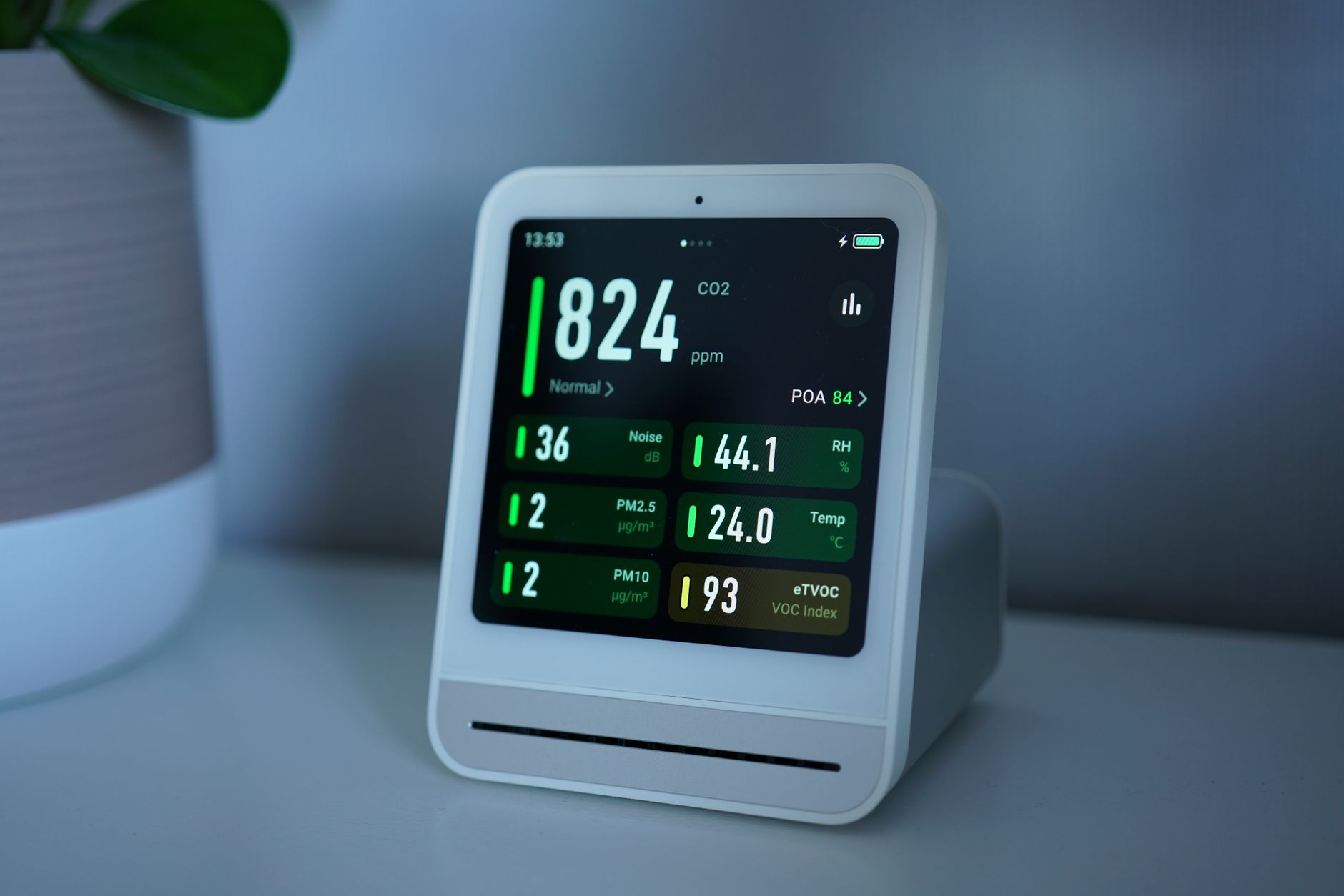 CO2-controlled ventilation, clear explanation and installation throughout Flanders | Ventilatiesysteem.info
 Duco ventilation: brand, systems and what it stands for
 New-build ventilation: clear explanation of systems, requirements and costs
 Renson ventilation: brand, systems and what it stands for